Product Design: Creative Engineering
Building problem-solvers for tomorrow’s world.
Product Design: Creative Engineering
Building problem-solvers for tomorrow’s world.
Product Design: Creative Engineering
Building problem-solvers for tomorrow’s world.
Duration
4-Year Hons.
(Option to get degree after year 3)
Eligibility Criteria
50% in Class XII
(Any Stream) or equivalent IB / A-Levels
Next Intake
July 2026
Session begins from 15th July 2026
This program equips students to design products that combine creativity, usability, and emerging technologies. Explore materiality, interaction design, user experience, and sustainable solutions while working on hands-on projects and industry collaborations. With AI, digital tools, and tech-enabled experimentation at its core, graduates are prepared for careers as product designers, UX strategists, CMF specialists, and innovators who can shape the products and experiences of tomorrow.
Simple Product Design
Digital & IoT-Enabled Product Design
Physical Prototyping & Fabrication
Material Exploration & Experimentation
Product & Industrial Designer
UX & Product Experience Designer
Digital Product & Interaction Designer
Design Innovation Specialist
Sustainable Product Designer
CMF (Color, Material & Finish) Specialist
Experience Prototyper
Vaibhav
Mohite
Harshit
Mohanty
Prasad
Anaokar
Purva
Lavate
Gourav
Keswani
Harminder
Singh
Dr Shreya
Maulik
Dr Peeyush Gupta
Sagar
Modh
Sujeet
Kohok
Dr Jyoti
Saini
Kushal
Jadhav
Prakash Sonkamble
Purushottam
Sawaran
Sania
Sheikh
Anupriya
Bose
Ashutosh Deshmukh
Gaurav
Shergill
Kanchi
Malhotra
Kanchi
Malhotra
Kanchi
Malhotra
Kanchi
Malhotra
Kanchi
Malhotra
Kanchi
Malhotra
Kanchi
Malhotra
Kanchi
Malhotra
Kanchi
Malhotra
Kanchi
Malhotra
Kanchi
Malhotra
Anantika Sethi
UX Designer
Aditya Arjugade
UX Designer
Jahnvi Jaiswal
Product Designer
Aashi Lath
UX/UI Designer
Aastha Malhotra
Lead Designer

Our Globally Benchmarked Curriculum

Semester 1

Laying the foundation for creative thinking and design. Students explore core principles, visual language, and problem-solving skills that prepare them for future learning.
Design Research 1
Use design thinking and visual methods to explore, research, observe patterns, reflect on insights, and craft compelling stories that communicate ideas, inspire action, and create meaningful impact.
Design Studio 1
Design Studio 1 introduces creative exploration through design thinking, observation, research, and storytelling. Students develop problem-solving, visual communication, and reflective practice skills to address real-world challenges.
Drawing Fundamentals 1
Drawing Fundamentals 1 builds core visual skills through observation, sketching, composition, form and technical drawing. Students explore line, shape, proportion, and perspective to strengthen creative expression and design communication.
Imaging 1
Imaging 1 introduces digital and analog imaging techniques, exploring composition, light, and narrative. Students learn visual storytelling, image editing, and creative expression for design and communication.
Space and Materiality
Space and Materiality explores relationships between form, material, and environment. Students experiment with textures, structures, and spatial design to understand sensory impact, function, and creative possibilities.
History in Context to Objects
History in Context to Objects examines cultural, social, and historical influences on objects. Students analyze artifacts to understand design evolution, material significance, and contextual storytelling.
Skill-Up Elective
Skill-Up Elective offers specialized learning opportunities beyond the core curriculum, enabling students to explore emerging tools, creative practices, and interdisciplinary skills that enhance professional growth.
ATLAS Elective

Semester 2

Building confidence in experimentation and observation, students engage in hands-on projects that develop analytical thinking and creativity. The semester deepens design practice, emphasizing research, advanced techniques, sustainability, and user experience, fostering innovation, collaboration, and readiness for real-world challenges.
Design Research 2
Design Research 2 advances research skills, emphasizing observation, data analysis, and user insights. Students apply research backed by design thinking to identify problems, generate solutions, and inform creative strategies.
Design Studio 2
Design Studio 2 builds on creative practice, guiding students to apply research, experimentation, and design thinking in real-world projects, developing problem-solving, collaboration, and visual storytelling skills.
Drawing Fundamentals 2
Drawing Fundamentals 2 deepens observational and visual storytelling skills. Students refine visual communication and expressive techniques for creative design solutions.
Imaging 2
Imaging 2 advances digital and analog imaging techniques, focusing on composition, storytelling, and post-processing. Students create visually compelling narratives and enhance design communication through images.
Sustainable System
Sustainable System explores eco-friendly design principles, material choices, and systemic thinking. Students analyze environmental impact, interdependence of various systems using, and integrate responsible practices into design processes.
Time
Time examines its role as a design element, influencing memory, narrative, information flow, and user experience. Students explore temporal dynamics to create meaningful, engaging designs.
Skill-Up Elective
Skill-Up Elective offers specialized learning opportunities beyond the core curriculum, enabling students to explore emerging tools, creative practices, and interdisciplinary skills that enhance professional growth.
ATLAS Elective
Why our Year 1 outpaces every
other design school?
ISDI School of Design
Multidisciplinary Exposure
Offers a Major–Minor Pathway where students combine core specialization with a secondary focus called a minor.
Integrated Design Thinking
Combines design thinking, observation, and research fostering strategic and creative problem-solving.
Holistic, Future-Ready Learning
Includes forward-looking courses like Sustainable System and Time, focusing on environmental impact.
Other Design Schools
Holistic, Future-Ready Learning
Other design schools follow single-track, restricting students to one specialisation throughout the program.
Theory–Practice Gap
Often separates theory and practice, introducing research much later as an
after-thought.
Aesthetic-Centric Focus
Primarily emphasizes form and aesthetics, with limited focus on sustainability or systems thinking.

Semester 3

Explore product concepts, materials, usability, and digital prototyping tools. Apply design thinking to small projects, integrating tech where relevant.
Product Design Studio 3 : Creative Process
Encourages exploration of form and meaning through sketching, mockups, copywriting, and prototypes, while promoting copyrighting and design registration for final submissions.
Product Prototyping : Concept to Creation
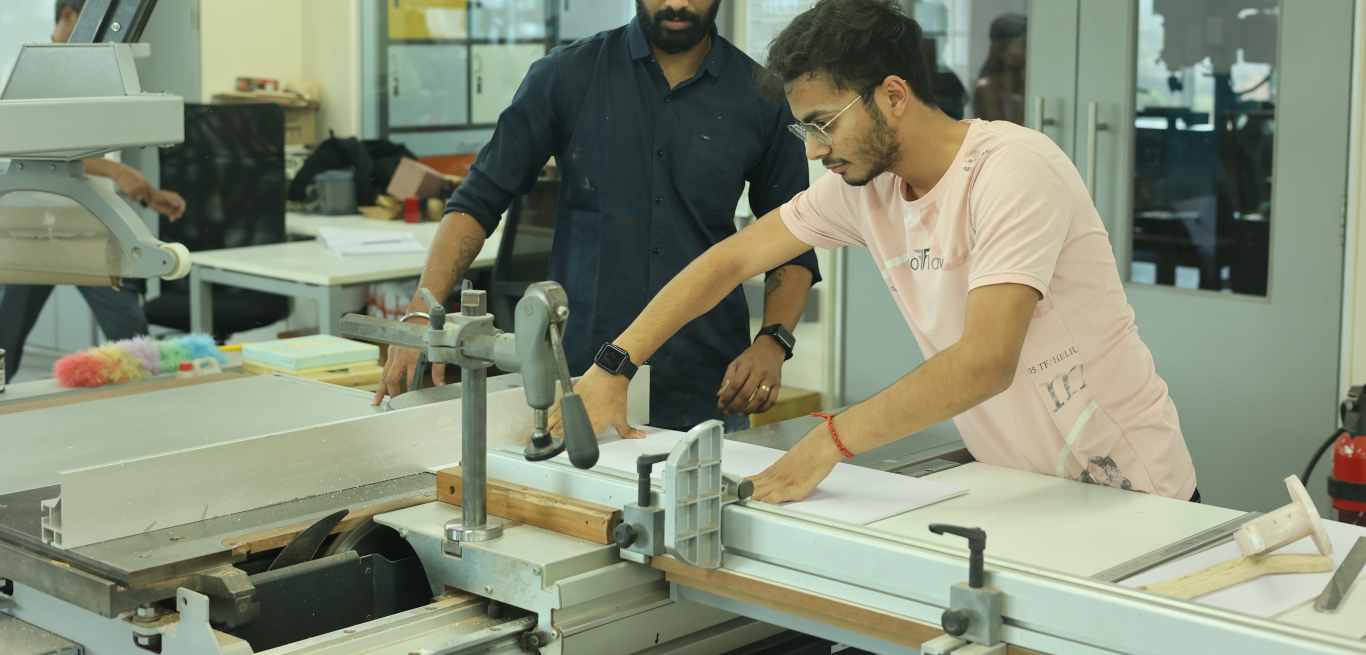
Teaches students safe and effective tool use while developing foundational making skills through hands-on modeling, material exploration, and iterative experimentation to build confidence and craftsmanship.
Process and Digital Representation
Develops students' drawing abilities to effectively visualize and communicate design ideas, using a blend of traditional sketching methods and contemporary digital illustration techniques.
History of Product Design
Encourages students to critically examine historical design movements and their influence on contemporary practices, fostering a deeper understanding of design’s cultural, social, and aesthetic evolution over time.
Minor Track
The minor track you choose will continue across all the remaining years of your program.

Semester 4

Translate concepts into engaging digital experiences. Projects strengthen design thinking, technical skills, and tech-enabled problem-solving.
Product Design Studio 4: Creative Process
Introduces product design fundamentals through empathy, creativity, and real-world problem-solving, encouraging design registration and patent filing for innovative ideas.
Material Fabrication Processes
Builds understanding of materials, safety, and sustainability through hands-on assignments that emphasize responsible use, environmental impact, and informed decision-making in product design and fabrication processes.
Digitalized Industrial Design
Teaches essential 2D and 3D CAD tools for digital sketching, modeling, rendering, and precise design control, enabling students to develop and communicate complex design concepts.
Introduction to Product Design Studies
Explores design ethics, influential manifestos, and the social impact of design through thoughtful discussion and critical reflection, encouraging responsible and meaningful creative practices among students.
Research and Development Methods
Equips students with essential research tools to uncover user insights and improve product experiences, while encouraging academic research and paper publishing.
Minor Track
The minor track you choose will continue across all the remaining years of your program.
Why our Year 2 outpaces every
other design
school?
ISDI School of Design
Innovation & Intellectual Property Focus
Encourages copyrighting, design registration, and patent filing to protect student innovation.
Technology–Driven Practice
Integrates digital tools and prototyping, to bridge design and advanced manufacturing.
Research & Industry Integration
Emphasizes user research, academic publishing, and real-world product development for market-ready outcomes.
Other Design Schools
Limited IP Awareness
Seldom include copyrighting or patent processes in the curriculum.
Traditional Methods
Rely heavily on manual techniques with minimal exposure to digital or smart technologies.
Academic Focus Over Application
Prioritize theoretical learning over research-led, industry-relevant design practice.

Semester 5

Develop complex products integrating aesthetics, usability, innovation, and tech-enabled solutions. Strengthen iterative and future-ready design skills.
Product Design Studio 5
Simulates real industry environments to teach students product planning, development processes, and new product delivery, preparing them for professional challenges and collaborative teamwork in the design field.
Human Factors, Ergonomics And Interfaces
Introduces cognitive ergonomics by engaging students in modeling and testing processes, fostering innovative product design that enhances usability, user comfort, and overall interaction efficiency.
Innovative Design Technology
Immerses students in designing and prototyping home appliances using electronics and coding, blending creativity with technical skills for careers in product design and engineering.
User Research
Equips students with skills to conduct ethnographic research, perform usability testing, and apply scientific analysis, fostering data-driven, user-centered approaches in product design and development.
Minor Track
The minor track you choose will continue across all the remaining years of your program.

Semester 6

Push boundaries with advanced prototyping, AI-assisted ideation, and experimentation. Focus on sustainable and innovative solutions.
Contextual Design
Trains students to design products deeply rooted in user context, behaviour, and real-world needs, ensuring solutions are practical, relevant, and effectively address everyday challenges.
Design for Production
Guides students to refine product ideas by emphasizing efficient manufacturing processes and sustainable practices, ensuring designs are both feasible to produce and environmentally responsible.
Digital Portfolio Design
Helps students build personal portfolios that showcase their unique design identity, skills, and strengths, effectively communicating their creative vision and professional capabilities to future opportunities.
End - User Experience Design
Introduces students to fundamental UX principles through hands-on digital product design and usability testing, fostering user-focused skills essential for creating intuitive and effective interfaces.
Minor Track
The minor track you choose will continue across all the remaining years of your program.
Why our Year 3 outpaces every
other design
school?
ISDI School of Design
Industry-Ready Learning
Simulates real-world projects, preparing students for professional teamwork and product delivery.
Human–Tech Fusion
Integrates ergonomics, coding, and electronics for smart, user-focused design solutions.
Portfolio & Professional Growth
Develops strong digital portfolios that highlight design identity and technical skill.
Other Design Schools
Limited Real-World Exposure
Offer minimal industry simulation or collaborative practice.
Basic Technical Training
Rarely combine coding, ergonomics, or smart product design.
Academic Over Professional Focus
Emphasize theory over portfolio or career readiness.

Semester 7

Work on live projects and industry collaborations. Refine professional skills, teamwork, and technology-driven project execution.
Product Design Studio 7
Offers specializations in CMF and Data Visualization & Smart Products, focusing on designing intelligent, tech-driven, and visually refined solutions.
Digital Interaction Design
Teaches students to design human-centered digital and physical experiences, integrating UX research, HMI, and UI design.
Incubation & Entrepreneurship
Introduces entrepreneurship and incubation, helping students turn ideas into startups through expert guidance, practical exercises, and the Lean Canvas framework.
Minor Track
The minor track you choose will continue across all the remaining years of your program.

Semester 8

Present a final product portfolio demonstrating innovation, creativity, and readiness to lead in a tech-enabled industry.
Product Design Studio 8 - Capstone (Explore)
Enables students to lead self-driven projects with personalized mentorship, applying comprehensive design knowledge and skills gained throughout their learning journey to create impactful solutions.
Product Design Studio 8 - Capstone (Execution)
Prepares students to navigate ethical challenges by exploring theory, analyzing case studies, and engaging in critical reflection to promote responsible and thoughtful design practices.
Research Writing and Capstone Documentation
Encourages students to undertake a self-led or industry project, synthesizing their learning into a cohesive final design vision that demonstrates creativity, skill, and professional readiness.
Professional Practice and Ethics
Prepares students to navigate ethical challenges by studying theory, analyzing real-world case studies, and engaging in reflection, fostering responsible and thoughtful decision-making in design practice.
Minor Track
The minor track you choose will continue across all the remaining years of your program.
Why our Year 4 outpaces every
other design
school?
ISDI School of Design
Specialized & Future-Focused Learning
Offers advanced pathways in CMF and Smart Products, blending technology, aesthetics, and innovation.
Entrepreneurial Mindset
Integrates incubation and startup development, guiding students from concept to venture creation.
Capstone & Ethical Practice
Concludes with self-driven projects emphasizing research, professionalism, and responsible design ethics.
Other Design Schools
Limited Specialization Options
Often provide generic final-year projects without advanced focus areas.
Minimal Entrepreneurial Exposure
Seldom include incubation or startup-based learning experiences.
Weak Ethical Integration
Address professional ethics superficially, without linking them to real-world design practice.
01
Submit the Application Form
Apply for JulY 2026 Intake
02
Creative
Aptitude Test
03
Portfolio Review + Interview
04
Final Selection & Offer Letter
Eligibility
Indian Boards (ISC / CBSE / State Boards)
  • Minimum 50% overall in Class XII
A-Levels (UK)
  • Minimum grades A, B, or C in any 2 subjects
  • Total of 3 subjects required
International Baccalaureate (IB)
A minimum of 24 points, including:
  • 3 Higher Level (HL) subjects
  • 3 Standard Level (SL) subjects
Why Product Design: Creative
Engineering at ISDI x Parsons
Design for Real Life,
Not Just Portfolios
Our classrooms are live labs. You’ll ideate, iterate, fail, restart, and refine in spaces designed for doing, not just thinking.
Design With A
Global Perspective
Curriculum shaped by Parsons,
New York, reimagined for today’s
Indian context.
Your Mentors Are
Also Makers
Learn from practicing designers, strategists, and studio founders,
the people who design the world
you interact with.
Everything is a
Studio Experience
Our classrooms are live labs. You’ll ideate, iterate, fail, restart, and refine in spaces designed for doing, not just thinking.
The Future is Cross-
Disciplinary
Work alongside fashion designers, product innovators, entrepreneurs, coders, and media artists, because good ideas don’t exist in silos.

Where concepts meet execution,
in and beyond the classroom.
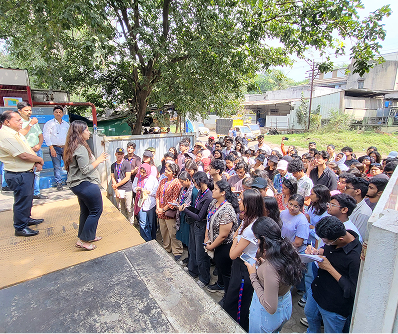
At ISDI, every project becomes part of a career-ready portfolio. From hands-on labs and design sprints to brand collaborations, internships, hackathons, and industry showcases, you graduate with real-world experience and work that speaks for itself.
Industry visit to Nasik MIDC
Product Design students visited Nasik MIDC (Ambad and Satpur) for a two-day industrial exposure led by Mr. Viraj Gadkari, gaining firsthand insight into manufacturing processes, production systems, and real-world applications of product design.
Industry Visit to Jamshedpur 1
Product Design students visited Tata Motors for an industry exposure program, gaining firsthand insight into large-scale automobile manufacturing, design integration, and production systems. The visit helped students connect classroom learning with real-world engineering.
Surya - Dharavi
ISDI Mumbai Product Design students visited Dharavi, Mumbai’s hub of small-scale industries, to explore real-world sustainability through recycling and upcycling. The visit offered insights into waste collection, sorting, and material reuse, while showcasing diverse local crafts like pottery, leatherwork, and embroidery.
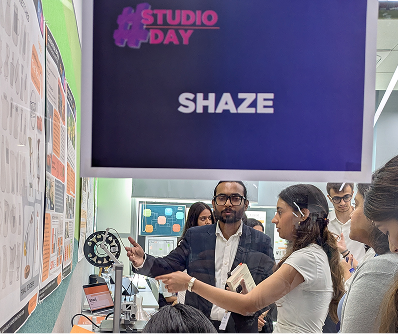
Surya - Shaze
The project redefined Shaze’s brand experience by integrating design, strategy, and innovation across disciplines. Students developed purpose-driven products, strategic market approaches, and engaging digital communication.
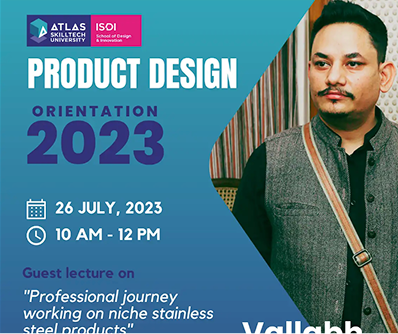
Vallabh Rastogi - Masterclass on Steel Lifestyle and home decor
The Product Design Department at ISDI hosted a masterclass by Vallabh Rastogi, a craft and design expert with 18 years of experience in homeware and décor. He shared insights from his work at VIYA HOME, emphasizing the fusion of traditional Indian craftsmanship with contemporary design.
Reefwatch - Fishnet Innovation challenge Second Place - Parth Amlani
In March 2025, ReefWatch India, a nonprofit dedicated to marine conservation, hosted the Ghost Net Innovation Challenge to develop creative solutions for ghost net pollution.
Medathon
At Medathon 2024 by M.I.C.E Labs & SINE IIT Bombay, Heeya Shah collaborated with medical students to tackle neonatal jaundice. Through research and clinical insights, the team designed a non-invasive, accessible, real-time monitoring solution to enable early diagnosis and improve neonatal care.
XR Apps Reimagination Challenge
FCS students had the incredible opportunity to intern at the iconic Dior show in India and were also part of curating the exclusive pre-show dinner experience, contributing to the larger narrative of India’s cultural showcase
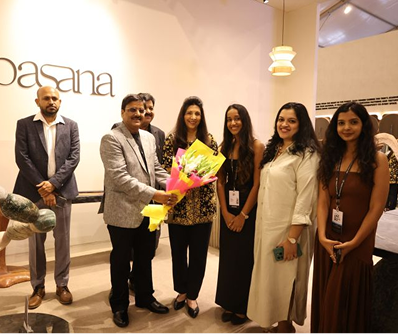
Pasana- Inuagration at India Design 2025 founded by Gun Aggarwal, Alumni Atlas SKilltech University
Pasana- Inauguration at India Design 2025 founded by Gun Aggarwal, Alumni Atlas SKilltech University
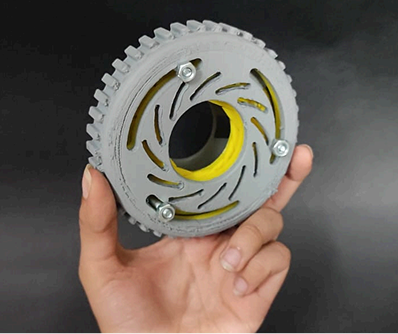
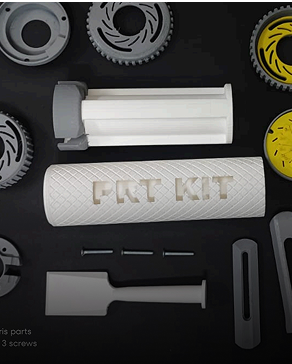
Percussive Response Tool (PRT) kit for firefighters
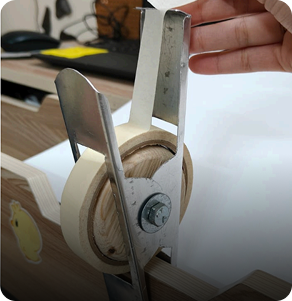
The Percussive Response Tool (PRT) Kit for firefighters suffers from precision issues, pouch wear, and lacks a lock indicator, hampering efficiency and safety, necessitating design improvements.
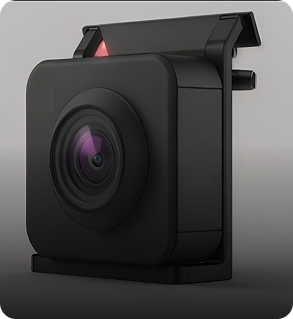
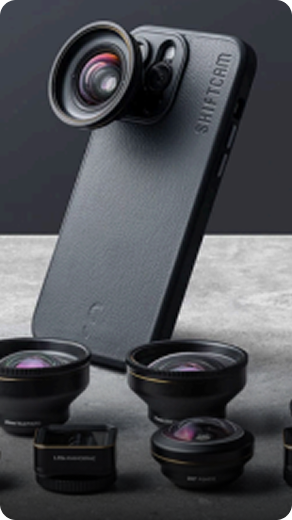
A versatile Camera for Logitech, adding to their product line.
Design a versatile camera that adapts to work , travel and everyday needs seamlessly.
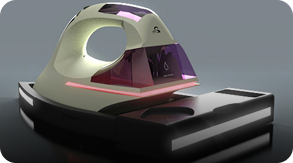
Ideation and digital representaion of Concept Product.
Select any product, make few ideation sketches and render the final product.
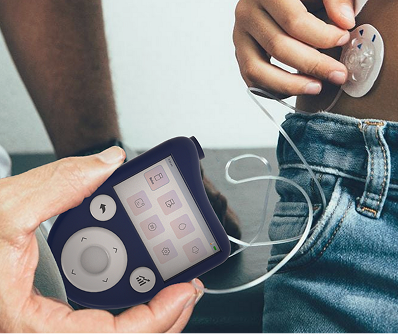
Insulin Pump for Diabetic children
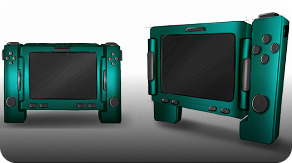
A sleek, kid-friendly insulin pump designed for ages 12–14 with a colorful touchscreen interface and simple icons. It features an interactive tutorial system to help new users learn and manage their diabetes with confidence.
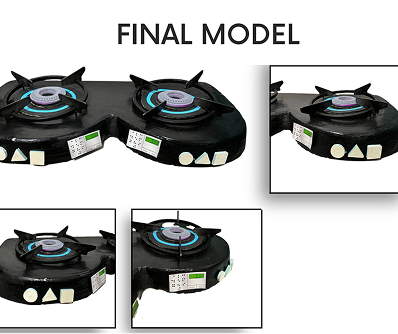
Gas Stove for Visually Impaired
A smart cooking aid designed to help visually impaired individuals cook safely and independently by identifying ingredients and monitoring food preparation levels. The product minimizes burn risks and enhances confidence in the kitchen.
Inclusive/Accessible Design
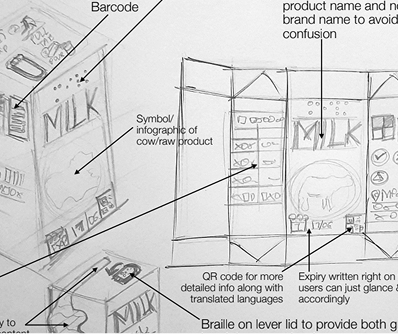
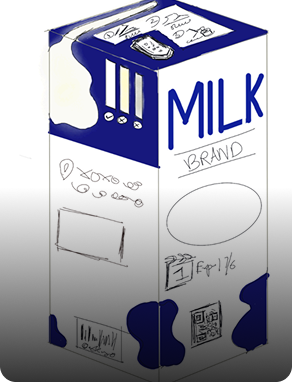
This student redesigned physical milk packaging to make the product more user friendly for visually impaired and/or color blind and other normal users by adding braille to the packaging and making the design clutter free along with color swatches for the milk quality and freshness.

Student Projects in Motion
Where creativity meets momentum

Student Voices: Real Voices from the Program
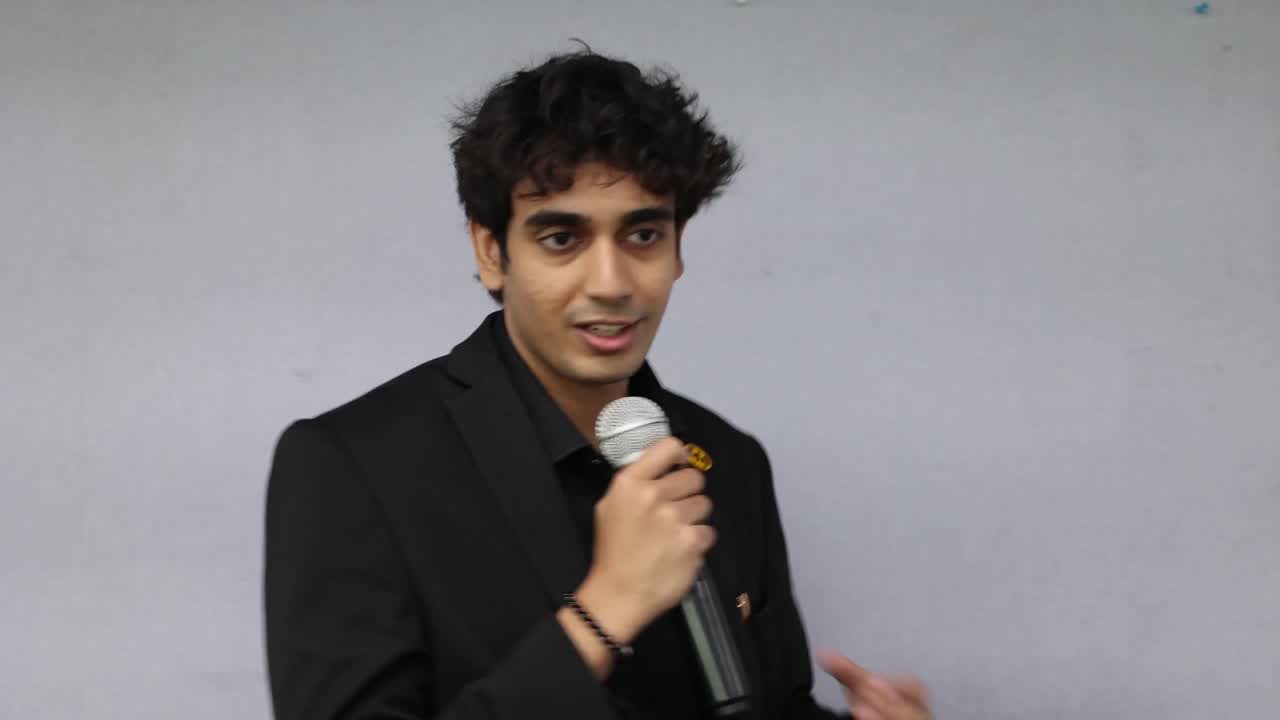
Hear from our students
We have learned so much about the industry. I am so happy to be practicing it now.
Lavanya Jaiswal
Class of 2025
I love our college, I am so proud of my college and excited for what’s next. I feel prepared thanks to everything my college has done for me.
Nidhi Dooa
Class of 2025
It has been great to bring the sketches to real life. I have learned a lot while working with different materials
Hiteshi Patil
Class of 2023

Ready to Build a Design Degree
that’s Built for the Real World?

More questions?
Let our AI Assistant answer your queries

Questions? We can read your mind

ISDI provides B. Des to its students in various subjects. The undergraduate B. Des programme is a four-year course that enables students to enhance their focus on strategic thinking, design, and innovation. 

The undergraduate B. Des program offers 7 programs in various design subjects, such as:

  • Communication Design

  • Fashion Design

  • Fashion Communication & Styling

  • Interior Design

  • Product Design

  • Strategic Design Management

  • Animation & VFX

The postgraduate programme focuses on entrepreneurial and design thinking skills.

ISDI is a well-known institution for many reasons. Its exclusive collaboration with Parsons School of Design stems from its position as a renowned institution. The key factors setting ISDI apart are:

  • Location: It is in the heart of Mumbai and surrounded by the best design organisations.

  • Industry-focused approach: With industry stalwarts and meteors guiding students, individuals not only learn from practical knowledge but also learn from experience.

  • Networking: Students can work and interact with professionals in other fields, strengthening their networking skills. 

  • Global curriculum: The curriculum has been meticulously designed to prepare students for national and international work opportunities.

Experiential learning: ISDI believes in going beyond traditional learning, and utilises advanced technology to nurture creativity among students.

Yes, ISDI offers guest lectures and masterclasses as a part of the curriculum. International voices and mentors lead classes with its exclusive partnership with Parsons School of Design (Parsons faculty often visits ISDI and students learn from them here in India). Integrating a masterclass allows students to expand their cultural understanding, too. We introduce students to a variety of workshops and masterclasses that help expand their interests and solidify their vision.

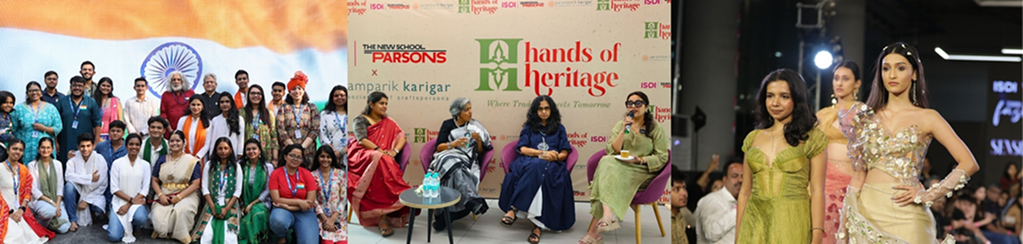
ISDI hosted  Parsons Week 2025, in partnership with ISDI,  from March 23-28, 2025, featuring a week of design-focused events and sessions led by faculty from the renowned Parsons School of Design. During their visit to ISDI, they offered masterclasses and portfolio review sessions as well.

Yes. ISDI offers global opportunities, too. Students get opportunity to study overseas, during immersive excursion one such example is Paris where students visited colleges such as

  • Students can study in Paris and participate in industry visits and workshops. 

  • Partnership with Parsons School of Design ensures that thinking strategies, global tools, and methodologies are a part of the curriculum.

ISDI stands out from other design schools through its partnership with Parsons School of Design. Its urban-rich culture setting ensures students learn thoroughly. ISDI stands out from other design schools due to its unique features:

  • A rich curriculum benefits from its collaboration with Parsons School of Design.

  • Real-world internships and masterclasses

  • Diverse networking

  • Strategic thinking nurtured by industry experts

Yes, the curriculum is developed in collaboration with Parsons School of Design. The B Des curriculum is meticulously designed to allow students to benefit from it. The global curriculum expands their horizon of understanding and ensures they are able to face challenges and secure lucrative opportunities.

The ISDI - School of Design & Innovation has received curriculum development support from Parsons School of Design since its establishment in 2013.

This unique partnership for curricular excellence ensures ISDI students have access to a global contemporaneity curriculum and proven teaching and learning methods enabling our students to be the design leaders of the future.

ISDI has designed its curriculum in collaboration with Parsons School of Design. The curriculum ensures academic excellence and alignment with industry by:

  • Design professionals design curriculum.

  • Professionals hold masterclasses for students to learn from experience.

  • Students are encouraged to take up projects which challenge them to face real-life design challenges.

  • Working on projects with industry-leading companies

  • Regular workshops held by industry professionals

ISDI integrates industry into its curriculum in several ways. We aim to blend classroom learning with real-world experience. The industry learnings are integrated through:

  • Masterclasses with experts

  • Industry-led collaborations and projects

  • Hackathon for understanding real-life disciplines

  • Visits to different design studios for better learning

Yes, ATLAS ISDI organises live projects with brands as part of its curriculum. The thoughtfully curated curriculum is in collaboration with Parsons School of Design. The curriculum includes internships with top brands. This internship nurtures

  • Applying theoretical knowledge to real-life problems

  • Strengthen problem-solving skills

  • Build a strong portfolio

  • Learn from the experience of senior citizens.

  • Guided by industry experts

ISDI has always aimed to create a safe and immersive campus as well as a learning experience for its students. With a thoughtful curriculum in collaboration with the renowned Parsons School of Design, every design module for specialisation is distinct and focuses on strengthening the design principles. The student experience at ATLAS ISDI includes:

  • Students get to participate in various competitions, which channel their design creativity.

  • Students are made to participate in various workshops.

  • Students have to work on several projects and increase their networking and communication skills.

  • Students participate in various college festivals and experience personal growth through faculty-led discussions and talks

ISDI has an exclusive campus. Renowned for its infrastructure and thoroughly curated curriculum, the institution allows students to widen their area of learning. With our recent NAAC A Grade certification, our campus provides its students with:

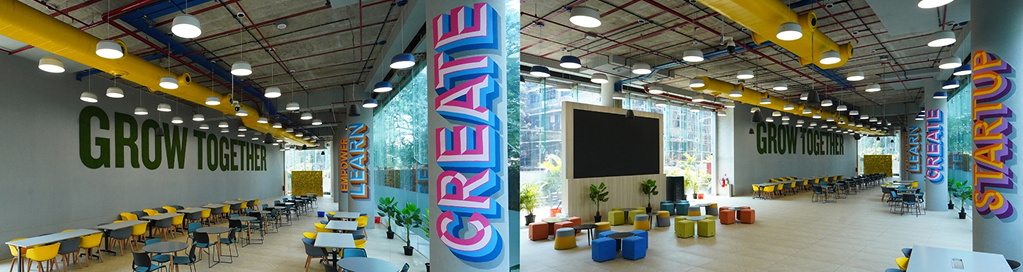
  • The campus features large laboratories, designer studios, fashion technology zones, and various other spaces where students can explore and showcase their creativity.

  • Immersive workshops for strengthening design principles, along with frequent visits to design studios, inspire the students.

  • Students can learn from experts through frequent immersive workshops held in design studios.

  • Design Studios

  • Fashion Lab

  • Product Lab (Workshop)

  • Fashion Studio

  • Digital + UX Labs

  • Maker Spaces

ISDI offers its students a variety of events for them to participate in and cherish their campus life. From flagship events to cultural events, ATLAS ISDI is always thriving throughout the year. Extracurricular activities offered by ATLAS ISDI are:

  • Design Events

  • Startup-Streets

  • Industry Masterclasses, Workshops, RTCs

  • Master’s Admissions Events

  • Placement & Career Events

  • Fests & Cultural Showcase

  • Hackathons & Challenges

  • Podcasts & Fireside Chats etc.

These interactions boost engagement by allowing students to display projects, share ideas, and connect with visitors.

Yes, ISDI requires an entrance exam for design programmes. The admission process has been designed to gauge the design skills and communication skills of the students. The ISDI admission entrance exam consists of:

  • Portfolio upload or design project holding a 40% weightage

  • The online aptitude test holds a substantial weightage of 40%.

  • Along with tests, there is a round of private interviews as well, which test the students' reasoning and analytical skills.

The process to apply for ISDI’s B.Des program is extremely simple. ISDI focuses on inclusivity, and our admissions process has been designed for individuals to seek their desired design specialisation. The admission process follows these steps:

  • Submitting the portfolio

  • Those students who do not have a portfolio can also complete a design project listed by ATLAS ISDI.

  • Along with submitting a portfolio and/or design project, there is an aptitude test which gauges the student’s communication skills.

  • The last test is the private interview test. This test allows our panel to understand the ambitions and goals of the students.

ISDI is among the renowned institutions for the B. Des Program. The eligibility criteria for ISDI are:

Students currently studying in Grade 12 and appearing for their 10+2 board exams are eligible to apply. This includes boards like:

  1. CBSE

  2. ICSE

  3. HSC (Maharashtra)

  4. IGCSE A-Levels

  5. The IB Diploma Program (IBDP) 

  6. Any recognised national or international equivalent.

At ISDI, there is no stream restriction; students from Arts, Commerce, or Science backgrounds are welcome. What matters most is your interest in design, creativity, and innovation. So if you are a science student with a profound interest in design and art, you can give wings to your dreams here at ISDI.

Yes, students are required to submit their design portfolio. Students can:

  • Upload their portfolio while working on their IDSI Challenge

  • The portfolio should contain eight to ten pieces of your best work that proficiently display your design skills. 

  • These pieces can be animated, painted, or sketched according to the student's preference.

Those students who do not have a portfolio can simply:

  • Complete the ISDI Design Project

  • Create a visual work inspired by any ONE of the given themes: One World | Tracing Nature | Translating Tomorrow

  • All forms of design are acceptable, including drawing, video, photography, sculpture, 3D work, collage, and digital images. 

  • Support your project by writing a 500-word essay describing how you developed your ideas.

A. Yes, students who are not in a design program can also apply to study ISDI. We have always believed in inclusivity, and our dynamic selection process ensures that students from diverse backgrounds, including those without a design background, can apply.

Career opportunities after graduating from ISDI are innumerable. Graduates can work as:

  • Art Director

  • Brand Manager

  • Digital Transformation Analyst

  • E?commerce Brand Strategist

  • Design Consultant

  • UX Research Analyst

  • Strategy Consultant

  • Fashion Designer

ISDI has always believed in supporting students beyond their campus as well. Our committee works diligently to help students secure their desired jobs. ISDI assists students in building a strong portfolio by providing:

  • Hands-on experience working in a state-of-the-art lab with cutting-edge design tools.

  • A curriculum that emphasises experiential learning and interdisciplinary approaches will introduce projects that enable students to learn and overcome the challenges they regularly face in their field of study.

  • Our guidance and placement committee provides comprehensive support to help students secure the right internship and lucrative opportunities.

A. ISDI helps the students in building a portfolio and guiding them through job placements as well. We help students by:

  • Having projects which enhance their portfolio

  • Guest lectures and masterclasses

  • SOPs

  • Projects which are a compulsory part of modules

  • Documentation of the project as a part of the portfolio

ISDI always ensures a promising future for its students. Our committee oversees every student's secure internships with top organisations that match their specialisations and career goals. 

  • Interns can work with renowned companies.

  • Work for esteemed designers

  • Gain hands-on experience with live projects and internships

  • Committees are made to make job hunting easy.

ISDI has an astounding record for placements. ATLAS ISDI has a placement committee which works dedicatedly for every student to ensure their placements. The committee guides the students to reach out to a job where their expertise can shine. The curriculum allows students to gain skills, which are:

  • Work for alumni organisations.

  • Work on certifications, which strengthen their credibility.

  • They should maintain an attractive portfolio that aids in securing better placements.

Yes, ATLAS ISDI supports entrepreneurship. The thoughtfully curated module, in collaboration with Parsons School of Design, is designed for students to learn about the principles as well as the dynamics of business. The curriculum is mostly aimed at:

  • The curriculum aims to integrate management with technology and emerging design principles in order to enhance students' skills.

  • Students are encouraged to join the evolving design ecosystem and become innovative designers or entrepreneurs.

  • The global immersion curriculum helps students understand the complexities of the business field, which arise in the design landscape.

Yes, ISDI graduates who have completed their design programme can effortlessly open their own ventures. This can be easily achieved because:

  • ISDI curates a curriculum that includes modules on entrepreneurial leadership. The modules encourage a business mindset with innovation and design in the lead. 

  • The learning environment at ISDI is nurtured by a mentorship ecosystem where industry stalwarts lead masterclasses for students.

  • Students gain comprehensive knowledge about innovation, entrepreneurship, and practical challenges.

  • Graduates graduate with a mindset that combines design and entrepreneurship skills, which are crucial for their venture.