Fashion Communication & Styling:
Fashion Media & Creative Direction

Shaping storytellers who influence fashion and culture.
Fashion Communication & Styling:
Fashion Media & Creative Direction

Shaping storytellers who influence fashion and culture.
Fashion Communication & Styling:
Fashion Media & Creative Direction

Shaping storytellers who influence fashion and culture.
Duration
4-Year Hons.
(Option to get degree after year 3)
Eligibility Criteria
50% in Class XII
(Any Stream) or equivalent IB / A-Levels
Next Intake
July 2026
Session begins from 15th July 2026
This program empowers students to become creative leaders in fashion media and communication, blending storytelling, styling, digital content, and emerging technologies. Students explore fashion styling, brand communication, content creation, digital campaigns, and trend forecasting while leveraging AI tools, social media, and immersive platforms. Hands-on projects, industry collaborations, and live experiences build skills in digital storytelling, influencer strategy, and brand innovation. Graduates are prepared for careers as fashion stylists, digital creators, PR specialists, trend forecasters, and creative directors, emerging as trend-savvy professionals who shape fashion culture in a rapidly evolving, tech-driven world.
Art & Cultural Narratives
Satorial
Mastery
Creative Direction
Strategic Engagement
Branding Visual Design
Technology & Interactive Media
International Immersions
Student Expertise & Skills
Fashion & Celebrity Stylist
Fashion Influencer & Digital Creator
Fashion Content Creator
Trend & Culture Forecaster
Fashion
PR
Communication
Specialist
Fashion Brand & Marketing Strategist
Poonam
Mishra
Belinda
Bawa
Mourya
Dandu
Aarushi
Purohit
Abhilasha Bhujbal
Sonika
Tewari
Heena Sachdeva
Vipul
Mane
Agnijit
Tarafdar
Ishi
Srivastava
Seerat
Rizvi
Mandeep
Kaur
Anuradha
Likhite
Anurag
Dubey
Mohit
Bhardwaj
Prakriti
Talsera
Devika Singh
Sr Social Media Executive
Riya Jhaveri
Brand Partnerships and PR
Priyuta Sodiwala
Marketing Coordinator
Aditi Kothari
Creative Strategist
Aastha Malhotra
Lead Designer
Aastha Malhotra
Lead Designer

Our Globally Benchmarked Curriculum

Semester 1

Laying the foundation for creative thinking and design. Students explore core principles, visual language, and problem-solving skills that prepare them for future learning.
Design Research 1
Use design thinking and visual methods to explore, research, observe patterns, reflect on insights, and craft compelling stories that communicate ideas, inspire action, and create meaningful impact.
Design Studio 1
Design Studio 1 introduces creative exploration through design thinking, observation, research, and storytelling. Students develop problem-solving, visual communication, and reflective practice skills to address real-world challenges.
Drawing Fundamentals 1
Drawing Fundamentals 1 builds core visual skills through observation, sketching, composition, form and technical drawing. Students explore line, shape, proportion, and perspective to strengthen creative expression and design communication.
Imaging 1
Imaging 1 introduces digital and analog imaging techniques, exploring composition, light, and narrative. Students learn visual storytelling, image editing, and creative expression for design and communication.
Space and Materiality
Space and Materiality explores relationships between form, material, and environment. Students experiment with textures, structures, and spatial design to understand sensory impact, function, and creative possibilities.
History in Context to Objects
History in Context to Objects examines cultural, social, and historical influences on objects. Students analyze artifacts to understand design evolution, material significance, and contextual storytelling.
Skill-Up Elective
Skill-Up Elective offers specialized learning opportunities beyond the core curriculum, enabling students to explore emerging tools, creative practices, and interdisciplinary skills that enhance professional growth.
ATLAS Elective

Semester 2

Building confidence in experimentation and observation, students engage in hands-on projects that develop analytical thinking and creativity. The semester deepens design practice, emphasizing research, advanced techniques, sustainability, and user experience, fostering innovation, collaboration, and readiness for real-world challenges.
Design Research 2
Design Research 2 advances research skills, emphasizing observation, data analysis, and user insights. Students apply research backed by design thinking to identify problems, generate solutions, and inform creative strategies.
Design Studio 2
Design Studio 2 builds on creative practice, guiding students to apply research, experimentation, and design thinking in real-world projects, developing problem-solving, collaboration, and visual storytelling skills.
Drawing Fundamentals 2
Drawing Fundamentals 2 deepens observational and visual storytelling skills. Students refine visual communication and expressive techniques for creative design solutions.
Imaging 2
Imaging 2 advances digital and analog imaging techniques, focusing on composition, storytelling, and post-processing. Students create visually compelling narratives and enhance design communication through images.
Sustainable System
Sustainable System explores eco-friendly design principles, material choices, and systemic thinking. Students analyze environmental impact, interdependence of various systems using, and integrate responsible practices into design processes.
Time
Time examines its role as a design element, influencing memory, narrative, information flow, and user experience. Students explore temporal dynamics to create meaningful, engaging designs.
Skill-Up Elective
Skill-Up Elective offers specialized learning opportunities beyond the core curriculum, enabling students to explore emerging tools, creative practices, and interdisciplinary skills that enhance professional growth.
ATLAS Elective
Why our Year 1 outpaces every
other design school?
ISDI School of Design
Multidisciplinary Exposure
Offers a Major–Minor Pathway where students combine core specialization with a secondary focus called a minor.
Integrated Design Thinking
Combines design thinking, observation, and research fostering strategic and creative problem-solving.
Holistic, Future-Ready Learning
Includes forward-looking courses like Sustainable System and Time, focusing on environmental impact.
Other Design Schools
Holistic, Future-Ready Learning
Other design schools follow single-track, restricting students to one specialisation throughout the program.
Theory–Practice Gap
Often separates theory and practice, introducing research much later as an
after-thought.
Aesthetic-Centric Focus
Primarily emphasizes form and aesthetics, with limited focus on sustainability or systems thinking.

Semester 3

Explore styling, photography, and visual storytelling. Apply concepts using digital media and emerging technologies.
The Fashion System
Introduces fashion industry structure, market levels, and sustainable practices, enabling students to understand production, trends, and responsible design strategies.
Psychology of Fashion
Examines consumer psychology and preferences, guiding students to design inclusive, personality-driven fashion experiences that resonate with diverse audiences.
Fashion Semiotics: Visual Language
Teaches techniques in visual communication, digital media, and narrative design to express fashion concepts effectively and creatively across platforms.
Fashion and Society
Explores international cultural influences on fashion, helping students understand social meanings, traditions, and cultural storytelling in contemporary fashion design.
Minor Track
The minor track you choose will continue across all the remaining years of your program.

Semester 4

Translate ideas into campaigns, visuals, and styled outputs. Refine narrative, execution, and technology-enhanced communication skills.
Business Models and New Markets
Explores fashion business models, global market trends, and digital transformations, equipping students to navigate the evolving fashion economy strategically and innovatively.
History of Fashion Theory
Studies fashion’s evolution from couture to ready-to-wear, analyzing cultural influences, historical contexts, and their impact on contemporary design practices.
Fashion Styling lab
Teaches styling through research, experimentation, and collaboration, enabling students to reinterpret fashion aesthetics and create visually compelling, innovative looks.
Visual Communication
Develops skills in narrative design and visual communication to effectively express fashion concepts, ideas, and brand stories across media platforms.
Fashion Photography Studio
Builds photography techniques and personal styling skills through hands-on studio practice, fostering creative expression and professional visual presentation.
Minor Track
The minor track you choose will continue across all the remaining years of your program.
Why our Year 2 outpaces every
other design
school?
ISDI School of Design
Industry-Integrated Learning
Links design with business and sustainability through real-world fashion systems.
Human-Centered Insight
Merges psychology and culture to design for diverse audiences.
Narrative Visual Expression
Builds strong storytelling through styling, photography, and digital media.
Other Design Schools
Limited Industry Focus
Prioritize aesthetics over business or sustainable practice.
Shallow User Understanding
Overlook psychology and cultural perspectives in design.
Skill-Only Approach
Emphasize technique without conceptual storytelling.

Semester 5

Develop larger projects integrating communication, media, styling, and AI/digital tools. Build critical thinking and experimentation skills.
Fashion Business Writing
Develops adaptable writing skills for fashion media, enhancing communication, storytelling, and effective collaboration within diverse industry contexts.
Speculative Fashion
Equips students to analyze consumer behavior, anticipate trends, and strategically plan for future shifts in the fashion industry.
Marketing of Fashion: Fundamentals
Introduces marketing approaches across digital and traditional media, helping students define target audiences and create impactful brand campaigns.
Fashion Digital Tools
Teaches design, animation, and digital storytelling tools to create engaging fashion narratives and enhance brand communication.
Research Methodology
Builds research and analytical skills to explore, address, and solve challenges in fashion communication, design, and industry practices.
Minor Track
The minor track you choose will continue across all the remaining years of your program.

Semester 6

Push creative boundaries with advanced media, campaigns, and tech-enabled styling projects. Develop future-ready problem-solving skills.
Visual Narrative Strategy
Teaches visual narrative strategies for art direction, enabling students to craft compelling, cohesive stories across fashion, film, and lifestyle projects.
Sartorial Mastery
Explores thematic styling, creative experimentation, and aesthetic innovation, allowing students to develop distinctive and concept-driven fashion expressions.
Branding for Luxury
Teaches luxury brand management through market analysis, consumer insights, and sustainable strategies, preparing students to position brands ethically and strategically.
Brand Narratives
Builds skills in creative writing and narrative techniques to communicate brand identity, values, and vision effectively across multiple media platforms.
Retail Atmospherics
Guides students to design immersive retail experiences, integrating visual merchandising principles and brand storytelling to engage and inspire consumers.
Minor Track
The minor track you choose will continue across all the remaining years of your program.
Why our Year 3 outpaces every
other design
school?
ISDI School of Design
Strategic Industry Readiness
Combines marketing, branding, and management to build business-savvy creative professionals.
Foresight & Research Focus
Integrates consumer analysis and trend forecasting with strong research methodology.
Storytelling Through Media
Blends digital tools, writing, and visual strategy to craft impactful brand narratives.
Other Design Schools
Limited Business Perspective
Focus mainly on design aesthetics with minimal exposure to fashion markets.
Reactive, Not Research-Driven
Seldom emphasize forecasting or analytical skills for future planning.
Fragmented Communication Approach
Teach visual or written skills in isolation without cohesive storytelling.

Semester 7

Engage in industry collaborations, live projects, and internships. Strengthen professional skills, portfolio, and digital fluency.
Capstone Ideation
Guides students to generate thesis ideas through trend analysis, creative direction, and visual storytelling, preparing for in-depth independent research and projects.
Capstone Research Methods
Builds skills for research papers, critical reviews, and ethical referencing, enabling clear, professional, and scholarly communication within the fashion and design context.
Brands in Digital Age
Teaches strategies for digital brand building, leveraging technology, media, and consumer engagement tools to create impactful online presence and campaigns.
Future Technology Tools
Explores innovative technologies shaping fashion communication, interactive design, and immersive experiences, preparing students to integrate tech-driven solutions creatively.
Minor Track
The minor track you choose will continue across all the remaining years of your program.

Semester 8

Showcase mastery in a comprehensive fashion communication project. Demonstrate creativity, storytelling, and readiness for a tech-driven global industry.
Capstone Resolution
Finalizes research through critical analysis, thorough documentation, and 2D/3D presentations, preparing students to communicate design concepts professionally and effectively.
Capstone Writing
Teaches structured academic writing, ethical referencing, and thesis book preparation, enabling students to present research and design work authoritatively.
Professional Practice and Ethics
Develops ethical reasoning, critical thinking, and interpersonal skills essential for responsible and effective professional practice in the fashion industry.
Business of Fashion
Equips students with skills to build, manage, and grow fashion ventures using innovative startup models and strategic business planning.
Minor Track
The minor track you choose will continue across all the remaining years of your program.
Why our Year 4 outpaces every
other design
school?
ISDI School of Design
Integrated Professional Skills
Courses teach financial literacy, ethics, management, and entrepreneurship within the curriculum.
Research-Driven Capstone
Courses conduct in-depth research and iterative design to produce user-centered solutions.
Polished Public Presentation
Documentation, Presentation, and Exhibition teach students to professionally showcase work, and communicate their process
Other Design Schools
Skills in Isolation
Professional or business skills are usually taught separately, not embedded in design learning.
Output-Centric Projects
Capstones often focus on final deliverables without structured research or iterative mentorship.
Limited Exposure
Projects are rarely documented or presented publicly, reducing real-world presentation experience.
01
Submit the Application Form
Apply for July 2026 Intake
02
Creative Aptitude Test
03
Portfolio Review + Interview
04
Final Selection & Offer Letter
Eligibility
Indian Boards (ISC / CBSE / State Boards)
  • Minimum 50% overall in Class XII
A-Levels (UK)
  • Minimum grades A, B, or C in any 2 subjects
  • Total of 3 subjects required
International Baccalaureate (IB)
A minimum of 24 points, including:
  • 3 Higher Level (HL) subjects
  • 3 Standard Level (SL) subjects
Why Fashion Communication & Styling: Fashion Media & Creative Direction at ISDI x Parsons
Design That’s
Rooted in Reality
Create for real people, real brands, and real-world contexts, from streetwear to couture to fashion activism.
Global DNA,
Local Insight
Study a curriculum shaped by Parsons and adapted for today’s fashion landscape in India and beyond.
The Studio is Just
the Beginning
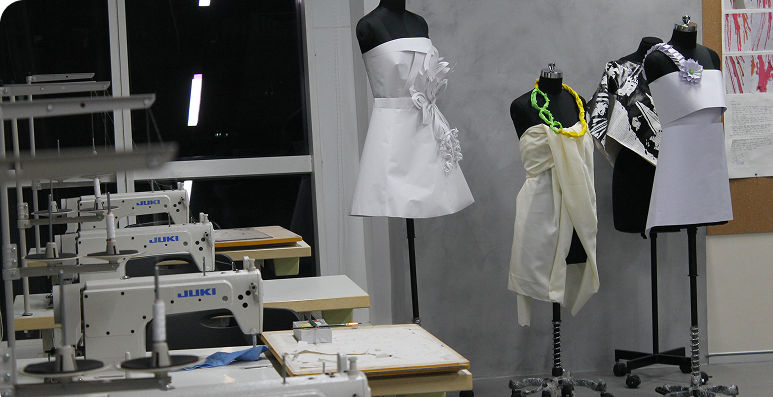
Learn in fashion labs, makerspaces, and digital studios, but also in ateliers, stores, runways, and cities.
Taught by Designers Who
Work, Not Just Teach
From luxury houses to indie labels, our faculty bring insider perspective and mentorship to every studio.
Build Your Label Before
You Graduate
Whether you launch your own brand or work with one, you’ll be ready, with a portfolio that opens doors.

Where concepts meet execution,
in and beyond the classroom.

At ISDI, every project becomes part of a career-ready portfolio. From hands-on labs and design sprints to brand collaborations, internships, hackathons, and industry showcases, you graduate with real-world experience and work that speaks for itself.
AJIO LUXE Internship
The AJIO Luxe Weekend offered students firsthand exposure to the luxury fashion industry, with 32 ISDI interns managing brand stalls and creating real-time social media content. They honed skills in engagement, marketing, and branding while networking with professionals, and earning strong mentorship feedback.
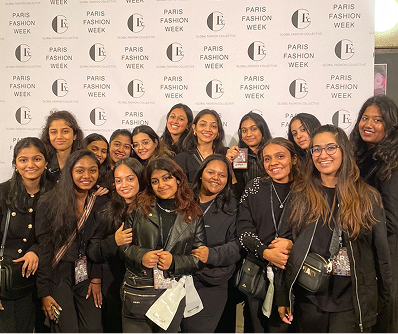
Paris Fashion Week
Paris Fashion Week gave students immersive exposure to the global fashion scene, working on styling, PR, and digital content for top brands. Guided by faculty, they built professional skills, explored Paris’s creative culture, and gained an unforgettable glimpse into international fashion.
Tokyo Fashion Week
Rakuten Fashion Week Tokyo immersed students in Japan’s vibrant fashion scene as they took on roles in styling, PR, and backstage coordination. Experiencing Tokyo’s blend of art and energy, they honed creative and professional skills in a fast-paced, unforgettable environment.
Pondicherry 2025 - Local immersion
The Pondicherry trip immerses fashion and lifestyle communication students in French-Tamil culture, Auroville’s sustainable living, and local craftsmanship, offering creative inspiration and deeper insight into how culture shapes design and identity.
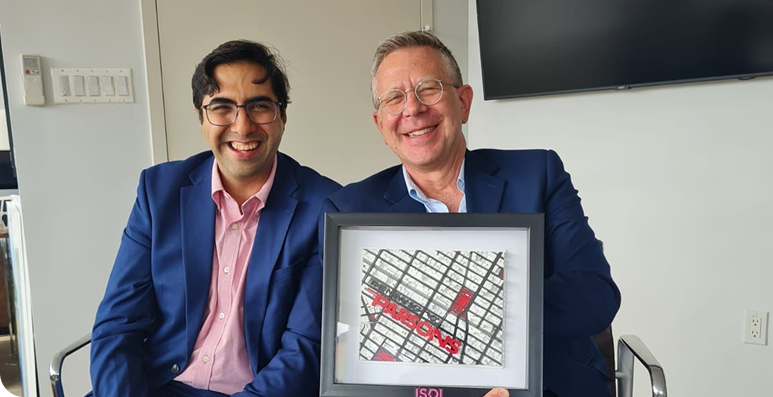
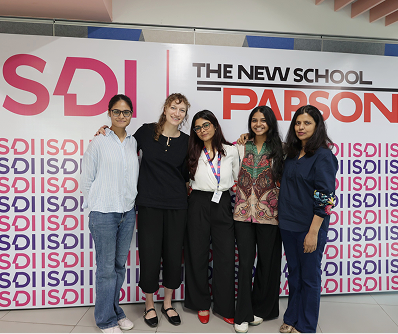
International Faculty: Portfolio Reviews
FCS students across the three semesters showcased their portfolios to Prof Amanade Parsons The New School and received feedback.
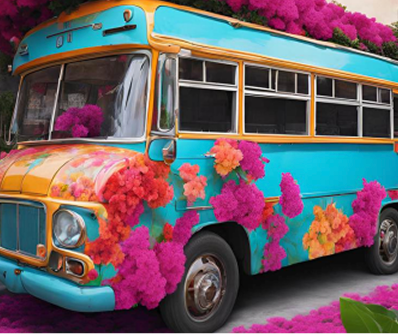
BOUGAINVILLIEA
This project involved collaborating with a fashion and lifestyle brand to align its vision with market trends and consumer insights. Deliverables included a targeted campaign, social media calendar, and growth strategy—merging creativity with strategic planning for impactful results.
SHAAM MASTANI

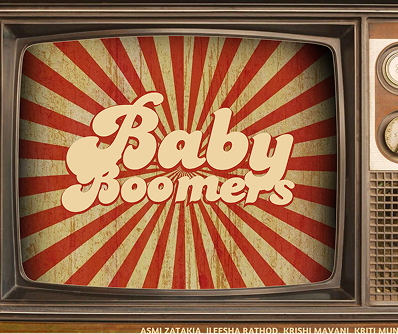
A community center is a shared space for people and groups to connect and engage. For Baby Boomers, these centers can focus on entertainment and activities that match their interests and lifestyles.
HOARDER
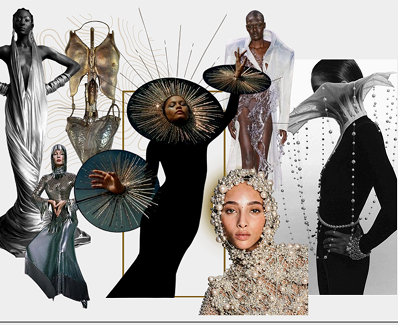
Happy Hoarder celebrates the joy of small, guilt-free collections screenshots, takeout containers, and mini hotel shampoos. This fashion shoot embraces everyday keepsakes that spark happiness, proving that joy often lies in the little things we choose to keep.
SHY
Created from groundnut shells. Often considered agricultural waste, groundnut shells have garnered attention for their potential applications across various industries due to their unique chemical composition and properties.
BRAIN ROT

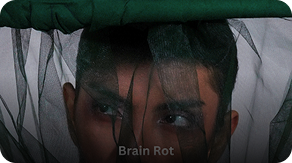
Fractured Streams captures the chaos of an overthinking mind where endless scrolling, numbness, and overstimulation blur creativity and memory. Through muted tones, neon bursts, and distorted reflections, it portrays a quiet, poetic unraveling of thoughts trapped in noise.
DHORA
This jewellery packaging is crafted from naturally dried maize leaves, coated for durability, woven into mats, and cut to shape, offering a stiff, sustainable alternative to bubble wrap envelopes.

Student Projects in Motion
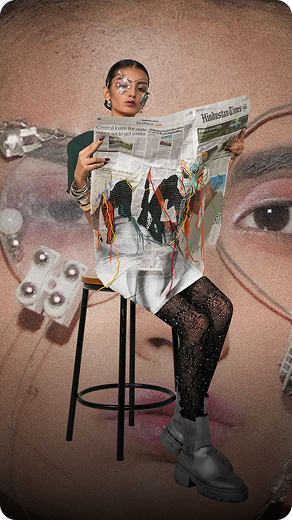
Where creativity meets momentum

Student Voices: Real Voices from the Program
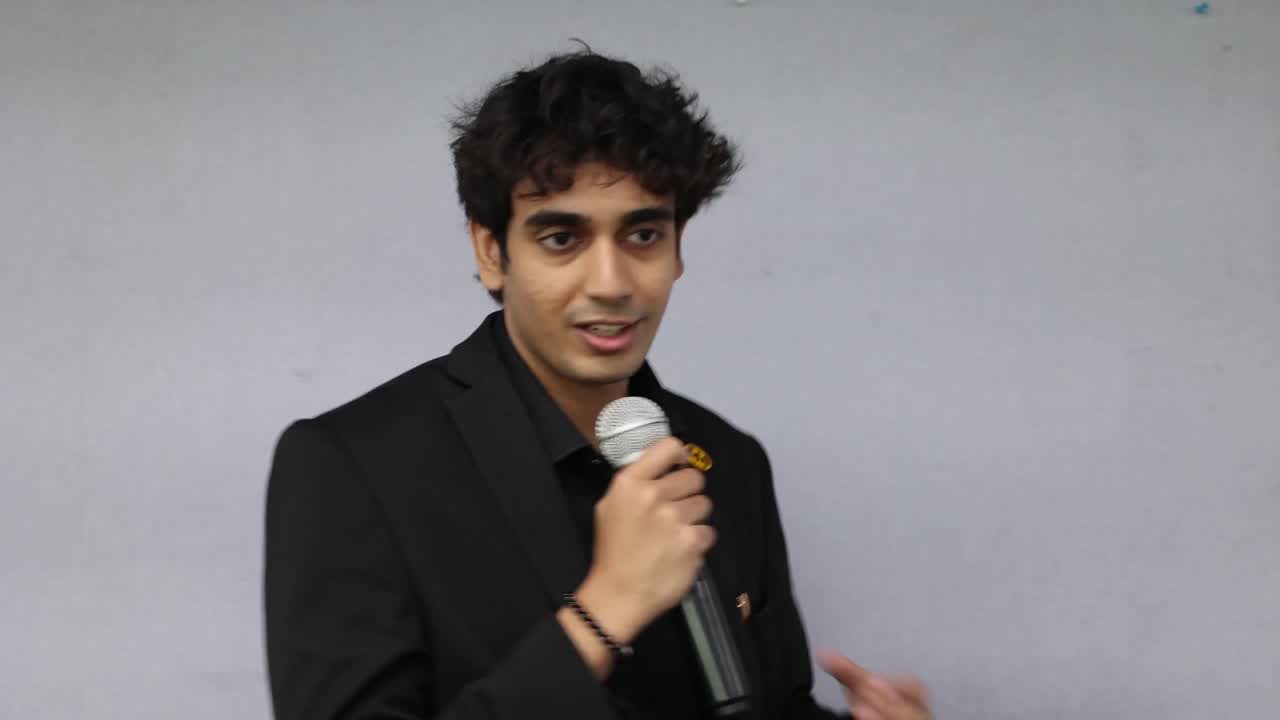
Hear from our students
I love our college, I am so proud of my college and excited for what’s next. I feel prepared thanks to everything my college has done for me.
Nandini Mehrotra
Class of 2025
I’ve learned a lot at ISDI. I have had a great support system and thanks to that I have joined a company as a Lead Designer
Shruthi Reddy
Class of 2025
We have learned so much about the industry. I am so happy to be practicing it now.
Mishti dedhia
Class of 2025

Ready to Build a Design Degree
that’s Built for the Real World?
Questions? We can read your mind

More questions?
Let our AI Assistant answer your queries

Questions? We can read your mind

ISDI provides B. Des to its students in various subjects. The undergraduate B. Des programme is a four-year course that enables students to enhance their focus on strategic thinking, design, and innovation. 

The undergraduate B. Des program offers 7 programs in various design subjects, such as:

  • Communication Design

  • Fashion Design

  • Fashion Communication & Styling

  • Interior Design

  • Product Design

  • Strategic Design Management

  • Animation & VFX

The postgraduate programme focuses on entrepreneurial and design thinking skills.

ISDI is a well-known institution for many reasons. Its exclusive collaboration with Parsons School of Design stems from its position as a renowned institution. The key factors setting ISDI apart are:

  • Location: It is in the heart of Mumbai and surrounded by the best design organisations.

  • Industry-focused approach: With industry stalwarts and meteors guiding students, individuals not only learn from practical knowledge but also learn from experience.

  • Networking: Students can work and interact with professionals in other fields, strengthening their networking skills. 

  • Global curriculum: The curriculum has been meticulously designed to prepare students for national and international work opportunities.

Experiential learning: ISDI believes in going beyond traditional learning, and utilises advanced technology to nurture creativity among students.

Yes, ISDI offers guest lectures and masterclasses as a part of the curriculum. International voices and mentors lead classes with its exclusive partnership with Parsons School of Design (Parsons faculty often visits ISDI and students learn from them here in India). Integrating a masterclass allows students to expand their cultural understanding, too. We introduce students to a variety of workshops and masterclasses that help expand their interests and solidify their vision.

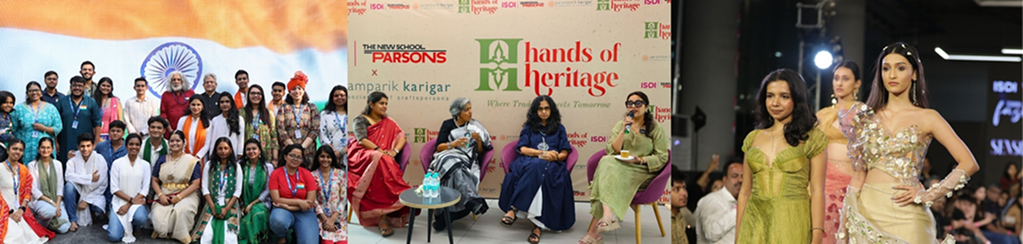
ISDI hosted  Parsons Week 2025, in partnership with ISDI,  from March 23-28, 2025, featuring a week of design-focused events and sessions led by faculty from the renowned Parsons School of Design. During their visit to ISDI, they offered masterclasses and portfolio review sessions as well.

Yes. ISDI offers global opportunities, too. Students get opportunity to study overseas, during immersive excursion one such example is Paris where students visited colleges such as

  • Students can study in Paris and participate in industry visits and workshops. 

  • Partnership with Parsons School of Design ensures that thinking strategies, global tools, and methodologies are a part of the curriculum.

ISDI stands out from other design schools through its partnership with Parsons School of Design. Its urban-rich culture setting ensures students learn thoroughly. ISDI stands out from other design schools due to its unique features:

  • A rich curriculum benefits from its collaboration with Parsons School of Design.

  • Real-world internships and masterclasses

  • Diverse networking

  • Strategic thinking nurtured by industry experts

Yes, the curriculum is developed in collaboration with Parsons School of Design. The B Des curriculum is meticulously designed to allow students to benefit from it. The global curriculum expands their horizon of understanding and ensures they are able to face challenges and secure lucrative opportunities.

The ISDI - School of Design & Innovation has received curriculum development support from Parsons School of Design since its establishment in 2013.

This unique partnership for curricular excellence ensures ISDI students have access to a global contemporaneity curriculum and proven teaching and learning methods enabling our students to be the design leaders of the future.

ISDI has designed its curriculum in collaboration with Parsons School of Design. The curriculum ensures academic excellence and alignment with industry by:

  • Design professionals design curriculum.

  • Professionals hold masterclasses for students to learn from experience.

  • Students are encouraged to take up projects which challenge them to face real-life design challenges.

  • Working on projects with industry-leading companies

  • Regular workshops held by industry professionals

ISDI integrates industry into its curriculum in several ways. We aim to blend classroom learning with real-world experience. The industry learnings are integrated through:

  • Masterclasses with experts

  • Industry-led collaborations and projects

  • Hackathon for understanding real-life disciplines

  • Visits to different design studios for better learning

Yes, ATLAS ISDI organises live projects with brands as part of its curriculum. The thoughtfully curated curriculum is in collaboration with Parsons School of Design. The curriculum includes internships with top brands. This internship nurtures

  • Applying theoretical knowledge to real-life problems

  • Strengthen problem-solving skills

  • Build a strong portfolio

  • Learn from the experience of senior citizens.

  • Guided by industry experts

ISDI has always aimed to create a safe and immersive campus as well as a learning experience for its students. With a thoughtful curriculum in collaboration with the renowned Parsons School of Design, every design module for specialisation is distinct and focuses on strengthening the design principles. The student experience at ATLAS ISDI includes:

  • Students get to participate in various competitions, which channel their design creativity.

  • Students are made to participate in various workshops.

  • Students have to work on several projects and increase their networking and communication skills.

  • Students participate in various college festivals and experience personal growth through faculty-led discussions and talks

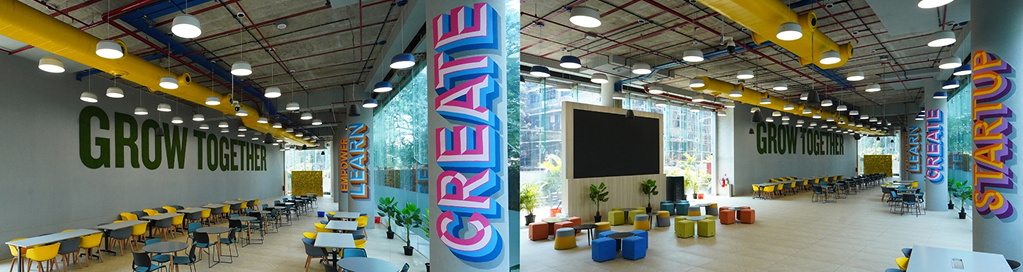
ISDI has an exclusive campus. Renowned for its infrastructure and thoroughly curated curriculum, the institution allows students to widen their area of learning. With our recent NAAC A Grade certification, our campus provides its students with:

  • The campus features large laboratories, designer studios, fashion technology zones, and various other spaces where students can explore and showcase their creativity.

  • Immersive workshops for strengthening design principles, along with frequent visits to design studios, inspire the students.

  • Students can learn from experts through frequent immersive workshops held in design studios.

  • Design Studios

  • Fashion Lab

  • Product Lab (Workshop)

  • Fashion Studio

  • Digital + UX Labs

  • Maker Spaces

ISDI offers its students a variety of events for them to participate in and cherish their campus life. From flagship events to cultural events, ATLAS ISDI is always thriving throughout the year. Extracurricular activities offered by ATLAS ISDI are:

  • Design Events

  • Startup-Streets

  • Industry Masterclasses, Workshops, RTCs

  • Master’s Admissions Events

  • Placement & Career Events

  • Fests & Cultural Showcase

  • Hackathons & Challenges

  • Podcasts & Fireside Chats etc.

These interactions boost engagement by allowing students to display projects, share ideas, and connect with visitors.

Yes, ISDI requires an entrance exam for design programmes. The admission process has been designed to gauge the design skills and communication skills of the students. The ISDI admission entrance exam consists of:

  • Portfolio upload or design project holding a 40% weightage

  • The online aptitude test holds a substantial weightage of 40%.

  • Along with tests, there is a round of private interviews as well, which test the students' reasoning and analytical skills.

The process to apply for ISDI’s B.Des program is extremely simple. ISDI focuses on inclusivity, and our admissions process has been designed for individuals to seek their desired design specialisation. The admission process follows these steps:

  • Submitting the portfolio

  • Those students who do not have a portfolio can also complete a design project listed by ATLAS ISDI.

  • Along with submitting a portfolio and/or design project, there is an aptitude test which gauges the student’s communication skills.

  • The last test is the private interview test. This test allows our panel to understand the ambitions and goals of the students.

ISDI is among the renowned institutions for the B. Des Program. The eligibility criteria for ISDI are:

Students currently studying in Grade 12 and appearing for their 10+2 board exams are eligible to apply. This includes boards like:

  1. CBSE

  2. ICSE

  3. HSC (Maharashtra)

  4. IGCSE A-Levels

  5. The IB Diploma Program (IBDP) 

  6. Any recognised national or international equivalent.

At ISDI, there is no stream restriction; students from Arts, Commerce, or Science backgrounds are welcome. What matters most is your interest in design, creativity, and innovation. So if you are a science student with a profound interest in design and art, you can give wings to your dreams here at ISDI.

Yes, students are required to submit their design portfolio. Students can:

  • Upload their portfolio while working on their IDSI Challenge

  • The portfolio should contain eight to ten pieces of your best work that proficiently display your design skills. 

  • These pieces can be animated, painted, or sketched according to the student's preference.

Those students who do not have a portfolio can simply:

  • Complete the ISDI Design Project

  • Create a visual work inspired by any ONE of the given themes: One World | Tracing Nature | Translating Tomorrow

  • All forms of design are acceptable, including drawing, video, photography, sculpture, 3D work, collage, and digital images. 

  • Support your project by writing a 500-word essay describing how you developed your ideas.

A. Yes, students who are not in a design program can also apply to study ISDI. We have always believed in inclusivity, and our dynamic selection process ensures that students from diverse backgrounds, including those without a design background, can apply.

Career opportunities after graduating from ISDI are innumerable. Graduates can work as:

  • Art Director

  • Brand Manager

  • Digital Transformation Analyst

  • E?commerce Brand Strategist

  • Design Consultant

  • UX Research Analyst

  • Strategy Consultant

  • Fashion Designer

ISDI has always believed in supporting students beyond their campus as well. Our committee works diligently to help students secure their desired jobs. ISDI assists students in building a strong portfolio by providing:

  • Hands-on experience working in a state-of-the-art lab with cutting-edge design tools.

  • A curriculum that emphasises experiential learning and interdisciplinary approaches will introduce projects that enable students to learn and overcome the challenges they regularly face in their field of study.

  • Our guidance and placement committee provides comprehensive support to help students secure the right internship and lucrative opportunities.

A. ISDI helps the students in building a portfolio and guiding them through job placements as well. We help students by:

  • Having projects which enhance their portfolio

  • Guest lectures and masterclasses

  • SOPs

  • Projects which are a compulsory part of modules

  • Documentation of the project as a part of the portfolio

ISDI always ensures a promising future for its students. Our committee oversees every student's secure internships with top organisations that match their specialisations and career goals. 

  • Interns can work with renowned companies.

  • Work for esteemed designers

  • Gain hands-on experience with live projects and internships

  • Committees are made to make job hunting easy.

ISDI has an astounding record for placements. ATLAS ISDI has a placement committee which works dedicatedly for every student to ensure their placements. The committee guides the students to reach out to a job where their expertise can shine. The curriculum allows students to gain skills, which are:

  • Work for alumni organisations.

  • Work on certifications, which strengthen their credibility.

  • They should maintain an attractive portfolio that aids in securing better placements.

Yes, ATLAS ISDI supports entrepreneurship. The thoughtfully curated module, in collaboration with Parsons School of Design, is designed for students to learn about the principles as well as the dynamics of business. The curriculum is mostly aimed at:

  • The curriculum aims to integrate management with technology and emerging design principles in order to enhance students' skills.

  • Students are encouraged to join the evolving design ecosystem and become innovative designers or entrepreneurs.

  • The global immersion curriculum helps students understand the complexities of the business field, which arise in the design landscape.

Yes, ISDI graduates who have completed their design programme can effortlessly open their own ventures. This can be easily achieved because:

  • ISDI curates a curriculum that includes modules on entrepreneurial leadership. The modules encourage a business mindset with innovation and design in the lead. 

  • The learning environment at ISDI is nurtured by a mentorship ecosystem where industry stalwarts lead masterclasses for students.

  • Students gain comprehensive knowledge about innovation, entrepreneurship, and practical challenges.

  • Graduates graduate with a mindset that combines design and entrepreneurship skills, which are crucial for their venture.