
Apply NowSchedule a visit

B.Tech in IT, AI & Cybersecurity

Build intelligent systems and shape the future of technology.
Next Cohort
July 2026
Format
4 Years, Full time

The ATLAS uGDX B.Tech Experience

The B.Tech programs in ATLAS immerses you in technology from day one - through hands-on coding, real-world projects, and industry-integrated learning that build the skills to innovate and lead in the digital world.

Multidisciplinary
Tech Education
Learn AI/ML alongside electives in design and management, applying your skills through a semester-long internship.
Master classes by industry leaders
Learn directly from global technology experts, CTOs, and industry innovators.
NEP 2020
Integrated
Hundreds of hours of coding practice and training to master writing clean, scalable code.
Experiential &
Hands-on learning
Apply classroom concepts to live projects and real-world problem solving.
Curriculum co-created with industry
Study a curriculum designed with leading CTOs to stay aligned with industry needs.
Entrepreneurship hub
Get mentorship and support from Venture Labs to build and launch your own tech startup.
Urban campus experience
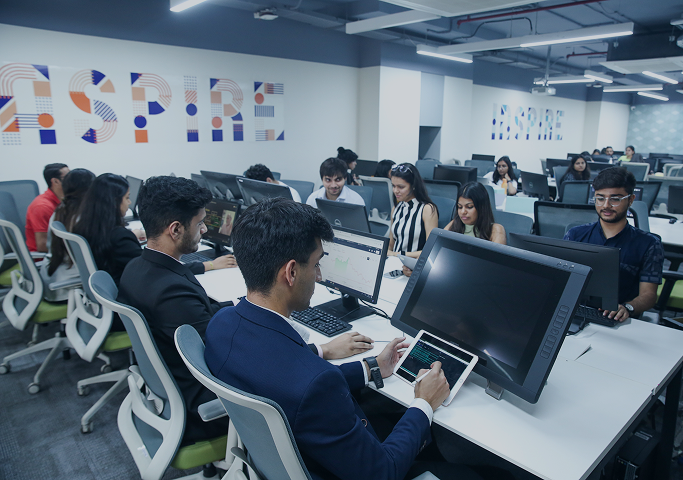
Thrive in a modern, high-tech learning environment with state-of-the-art infrastructure.
Career services
Apply classroom concepts to live projects and real-world problem solving.

Why Choose B.Tech in CS, AI & Cybersecurity at ATLAS uGDX

AI-Driven Cybersecurity Learning

Unlike typical IT programs, students learn to build AI-powered defense systems - detecting, predicting, and preventing cyber threats using next-gen algorithms and analytics.
01

Real-World Cyber
Range Training

Understand how technology, innovation, and entrepreneurship intersect - and how to turn ideas into viable ventures.
02

Specialized Cyber
Domains & Labs

Gain applied expertise across multiple tracks - Digital Forensics, Cloud Security, Adversarial AI, Cryptography, and Threat Intelligence - supported by advanced lab setups.
03

Cybersecurity
Leadership Pathways

Work on live projects and challenges with leading companies, gaining practical exposure and problem-solving experience.
04

Global Exposure to
Cyber Policy & Ethics

Through the ATLAS Global Week and international faculty exchange, students also explore cyber law, global digital ethics, and data privacy frameworks, broadening their professional horizon.
05

A Curriculum Designed for the Future

Built on the ‘Goal for Each Term’ (GET) philosophy, our curriculum ensures every semester has a clear, outcome-driven focus; continuously evolving with emerging technology trends and the learning needs of our students.

Semester 1

Building the Digital Foundation
The first semester introduces the language of computing, analytical thinking, and digital creativity. Students explore the fundamentals of programming, logic, mathematics, and emerging technologies while developing essential professional and communication skills.
Introduction to Computer Science & Programming 1
Gain a solid foundation in computational thinking and programming through hands-on coding exercises that strengthen logical reasoning and algorithmic problem-solving.
Calculus 1
Explores limits, derivatives, and integrals to build a strong mathematical foundation for modelling and analysis.
Foundations of Statistics and Probability for AI & ML
Covers key concepts of statistics and probability essential for AI and machine learning applications.
Databases and SQL
Teaches database design, management, and querying using SQL for efficient data organization and analysis.
Chemistry
The Chemistry program explores the principles of matter and its interactions through theory and hands-on labs, linking molecular science to real-world applications. It builds analytical, research, and problem-solving skills for careers in science and innovation.
Fundamentals of CT, AI, ML, Robotics & Data Science
Applies data science techniques to real-world AI, machine learning, and robotics contexts for intelligent problem-solving.
Communication Skills for Digital World
Builds digital communication, presentation, and collaboration skills for effective engagement in tech-driven environments.
ATLAS Elective
Broaden your worldview by exploring a course beyond your core discipline.
Simulation/Computer Game Design (Pinnacle I)
Introduces game design principles, simulation concepts, and storytelling through interactive digital experiences.

Semester 2

From Code to Data Thinking
This semester deepens computational fluency and introduces data-centric problem-solving. Students move from writing code to understanding how data flows, connects, and powers innovation.
Introduction to Computer Science & Programming II
Master the art of making big-picture decisions. Learn how to evaluate competition, allocate resources, and plan for long-term business success in volatile environments.
Mathematics for Computer Science
Explore the grey areas of business decisions. This course challenges you to think critically about corporate responsibility, ethical dilemmas, and the role of values in leadership.
Calculus 2
From ChatGPT to data-driven insights, understand how modern AI tools are transforming industries. Learn how to work with them—not against them—for smarter, faster outcomes.
Physics
Another chance to explore an interest area more deeply. These electives help you round out your core learnings with a skillset that fits your ambitions.
Statistical Modeling
Understand what drives consumer decisions and how to build brands around real human needs. Learn the fundamentals of marketing strategy, audience segmentation, and behaviour-based targeting.
Indian Health Sciences
Understand how binary logic and hardware circuits form the basis of computational devices.
Expository Writing
Strengthen your multidisciplinary learning portfolio.
ATLAS Elective
Strengthen your multidisciplinary learning portfolio.
Data Analyst Project (Pinnacle II)
Applies data analysis, visualization, and storytelling to real-world problems through an integrated capstone project.

Semester 3

Intelligence Meets Security
Students begin merging artificial intelligence with secure system design. They build smart algorithms while learning how to safeguard the digital systems that host them.
Machine Learning Foundations (Pinnacle)
Introduces core ML concepts, algorithms, and model-building techniques through hands-on applications and projects.
Computer Organization and Architecture
Explores how computers work from the inside—covering hardware components, memory systems, and instruction execution.
Linear Algebra
Builds mathematical foundations for AI and data science through vector spaces, matrices, and transformations.
Data Structures and Algorithms
Covers efficient data organization and algorithmic design for solving computational problems effectively.
Foundation of Cybersecurity
Examines key principles of digital security, encryption, and network protection to safeguard information systems.
Model Thinking
Teaches how to use mathematical and conceptual models to understand complex systems and real-world behaviors.
Foundational Literature of Indian Civilization
Explores classical Indian texts, philosophies, and cultural narratives that shaped the subcontinent’s intellectual heritage.
ATLAS Elective
Continue exploring electives outside your technical domain.
Digital System's Security Design (Pinnacle II)
Applies advanced ML techniques to scientific domains like astrophysics, particle physics, and drug discovery.

Semester 4

Becoming a Game Developer
This semester emphasizes infrastructure — how computers communicate, share data, and stay resilient against threats.
Advanced Machine Learning (Pinnacle as Laboratory)
Explores advanced machine learning techniques and architectures through hands-on experimentation, emphasizing real-world data modelling, optimization, and algorithmic innovation in laboratory settings.
Ethical Testing and Penetration Testing
Covers principles and practices of ethical hacking, focusing on identifying system vulnerabilities, conducting penetration tests responsibly, and strengthening cybersecurity defences.
Operating Systems and Networks
Introduces operating system concepts, process management, and computer networking fundamentals, building understanding of system-level interactions and data communication.
Cybersecurity Risk Management
Examines how artificial intelligence enhances cybersecurity through threat detection, anomaly identification, and automated defense strategies against evolving digital attacks.
Software Engineering Principles
Covers software design methodologies, development lifecycles, and quality assurance techniques to equip students with practical tools for building scalable, maintainable systems.
Cryptography
Explores cryptographic algorithms, encryption techniques, and security protocols essential for protecting digital information and ensuring data integrity.
Business Plan Writing
Develops skills to conceptualize, structure, and present business plans, integrating market analysis, financial planning, and strategic thinking.
ATLAS Elective
Interdisciplinary courses encouraging exploration across technology, arts, logic, and applied sciences to foster well-rounded, cross-domain perspectives.
AI Systems Security Design (Pinnacle VI)
Applies advanced AI and data science to build large-scale recommendation systems for streaming platforms, integrating user behavior analysis, machine learning, and business logic.

Semester 5

Securing the Intelligent Web
Students explore how artificial intelligence enhances digital security. The semester blends analytics, blockchain, and forensics with leadership and communication training.
Reinforcement Learning and NLP
Introduces reinforcement learning and natural language processing, focusing on training intelligent agents, language models, and conversational AI systems through data-driven techniques.
Computer Vision and Deep Learning
Covers deep learning architectures for visual recognition, image processing, and video analysis, emphasizing convolutional networks and real-world computer vision applications.
Web Technologies and Application Security
Explores modern web development frameworks, protocols, and secure coding practices to design robust, scalable, and secure web-based systems.
Networks, Protocols and Security
Examines computer network architectures and communication protocols with an emphasis on network security, data protection, and secure transmission practices.
Cloud and Virtualization Security
Focuses on securing cloud environments and virtual infrastructures, covering cloud architecture, identity management, and risk mitigation strategies.
Entrepreneurship Development
Builds entrepreneurial mindset and business planning skills through opportunity identification, innovation strategies, and venture creation exercises.
Cultural and Intellectual Heritage of English
Explores key works and ideas from English literary and philosophical traditions, emphasizing their influence on contemporary thought and global culture.
Enterprise Grade Connected Device Application: Self-Driving Cars (Pinnacle V)
Applies AI, machine learning, and IoT technologies to design and simulate self-driving systems, integrating sensor data processing, control algorithms, and ethical decision-making frameworks.

Semester 6

Ethical Hackers & Cloud Defenders
Learners evolve into ethical security specialists through immersive labs and industry exposure.
Secure Coding
Focuses on designing and implementing software with robust security practices, teaching techniques to prevent vulnerabilities and defend against cyberattacks through real-world coding projects.
Security for Database Systems
Covers methods for securing databases, including encryption, access control, auditing, and protection against SQL injection and data breaches.
Cyber Forensics, Investigation and Incident Response
Introduces digital forensics tools and processes for identifying, analyzing, and responding to cybersecurity incidents and data compromises.
AI and Cybersecurity
Explores how artificial intelligence enhances threat detection, risk analysis, and automated defense, while also addressing AI-driven security challenges.
Adversarial Machine Learning
Examines techniques for attacking and defending AI models, focusing on robustness, model integrity, and the evolving landscape of adversarial threats.
Language of Science and Technology (English)
Develops advanced communication and analytical writing skills for technical and scientific contexts, emphasizing clarity and precision.
Introduction to Indian Mathematics & Astronomy
Explores India’s rich heritage in mathematics and astronomy, tracing foundational concepts and their influence on global scientific thought.
Digital Forensics
Provides hands-on professional experience, enabling students to apply academic learning in real-world technical and research environments.

Semester 7

Cyber Leadership & Advanced Defense
This semester cultivates strategic thinkers capable of designing, auditing, and managing security at an organizational scale.
Threat Intelligence & Modelling
Covers methods to collect, analyze, and model cybersecurity threats, enabling proactive defense through data-driven intelligence and prediction.
Core Elective 1
Enables students to specialize in advanced areas within cybersecurity, artificial intelligence, or data science, fostering technical depth through applied projects and analytical research.
Core Elective 2
Provides domain-specific expertise through focused coursework in cybersecurity, AI, or data analytics, emphasizing problem-solving, experimentation, and implementation of real-world solutions.
Core Elective 3
Encourages professional specialization by integrating theoretical learning with project-based applications across cybersecurity, AI, or data science, refining both strategic and technical proficiency.
Secure Operating Systems
Focuses on the design and architecture of secure operating systems, emphasizing access control, kernel protection, and system hardening techniques.
Constitution of India (Audit Course)
Introduces students to the principles, rights, and governance structures outlined in the Indian Constitution, fostering civic and ethical awareness.
Research Methodology
Equips students with tools for systematic inquiry, covering research design, data collection, analysis, and academic writing for technical studies.
Intrusion Detection and Secure Systems
Explores techniques for identifying, monitoring, and responding to unauthorized system access, integrating IDS frameworks and preventive strategies.

Semester 8

Innovate, Lead, and Launch
The final semester prepares students for professional or entrepreneurial success through research, innovation, and global perspective.
Internship and Project and Dissertation (Product Based)
Provides hands-on industry experience through a product-based project, integrating research, innovation, and practical problem-solving.
Cyber Laws & Ethics (MOOC)
Covers global and Indian cyber laws, digital rights, and ethical frameworks governing data use, privacy, and online conduct.
Data Privacy, Security and Protection (MOOC)
Explores principles and regulations of data protection, focusing on privacy frameworks, compliance, and secure data management practices.

Program Outcomes

Design AI-Driven Security Systems
Build intelligent defense mechanisms that detect, predict, and prevent cyber threats using AI and analytics.
Protect Networks & Digital Infrastructure
Secure communication systems, cloud networks, and IoT devices with advanced cybersecurity protocols.
Apply Ethical Hacking & Forensic Practices
Identify vulnerabilities, perform penetration tests, and investigate cyber incidents responsibly.
Build Resilient & Compliant Cyber Architectures
Design enterprise-level security frameworks using zero-trust principles and cryptography.
Integrate Multidisciplinary Problem Solving
Blend AI, data science, and design thinking to create effective cybersecurity solutions.
Lead Innovation in Digital Defense
Drive research, entrepreneurship, and innovation in emerging areas of cybersecurity and policy.

Ready to Build What’s Next?Let’s Get Started.

Get a glimpse - where future engineers and innovators areshaped through technology, industry, and inspiration.

Career Pathways

Explore diverse career pathways across AI, Data Science, and Emerging Technologies

Cybersecurity Analyst
Ethical Hacker / Penetration Tester
Cyber Forensics &Incident Response Expert
Threat Intelligence Specialist
Cloud Security Architect
Malware Analyst
Data Privacy &
Compliant Officer

Student Voices: Real Voices from the Program

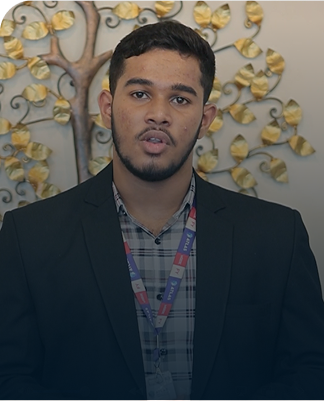
Unlike many other B.Tech programs, we have an outcome defined for every semester.
Ayush Gharat
2nd year student
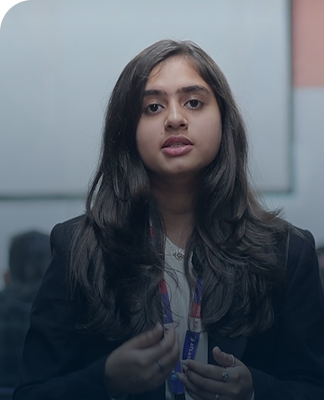
At uGDX, I have started viewing the world in a different way.
Leisha Totani
2nd year student
We get endless opportunities here at ATLAS uGDX.
Mohit Bhimrajka
2nd year student
Programming will become a second language to you. You'll understand it in a deeper sense.
Adarsh Mukherjee
2nd year student

Your guide to joining B.Tech in CS, AI & Cybersecurity at ATLAS uGDX

Eligibility
    Indian Boards (ISC / CBSE / State Boards)
    Minimum 50% in Class XII
    Mathematics and Physics are mandatory

    A-Levels (UK)
    Minimum grades A/B/C in 2 subjects
    Grade B or above in Mathematics.
    Mathematics and Physics are mandatory

    International Baccalaureate (IB)
    Minimum of 24 points in 3 HL & 3 SL subjects
    Mathematics and Physics are mandatory
    More questions?
    Let our AI Assistant answer your queries

    Questions? We can read your mind

    ISDI provides B. Des to its students in various subjects. The undergraduate B. Des programme is a four-year course that enables students to enhance their focus on strategic thinking, design, and innovation. 

    The undergraduate B. Des program offers 7 programs in various design subjects, such as:

    • Communication Design

    • Fashion Design

    • Fashion Communication & Styling

    • Interior Design

    • Product Design

    • Strategic Design Management

    • Animation & VFX

    The postgraduate programme focuses on entrepreneurial and design thinking skills.

    ISDI is a well-known institution for many reasons. Its exclusive collaboration with Parsons School of Design stems from its position as a renowned institution. The key factors setting ISDI apart are:

    • Location: It is in the heart of Mumbai and surrounded by the best design organisations.

    • Industry-focused approach: With industry stalwarts and meteors guiding students, individuals not only learn from practical knowledge but also learn from experience.

    • Networking: Students can work and interact with professionals in other fields, strengthening their networking skills. 

    • Global curriculum: The curriculum has been meticulously designed to prepare students for national and international work opportunities.

    Experiential learning: ISDI believes in going beyond traditional learning, and utilises advanced technology to nurture creativity among students.

    Yes, ISDI offers guest lectures and masterclasses as a part of the curriculum. International voices and mentors lead classes with its exclusive partnership with Parsons School of Design (Parsons faculty often visits ISDI and students learn from them here in India). Integrating a masterclass allows students to expand their cultural understanding, too. We introduce students to a variety of workshops and masterclasses that help expand their interests and solidify their vision.

    ISDI hosted  Parsons Week 2025, in partnership with ISDI,  from March 23-28, 2025, featuring a week of design-focused events and sessions led by faculty from the renowned Parsons School of Design. During their visit to ISDI, they offered masterclasses and portfolio review sessions as well.

    Yes. ISDI offers global opportunities, too. Students get opportunity to study overseas, during immersive excursion one such example is Paris where students visited colleges such as

    • Students can study in Paris and participate in industry visits and workshops. 

    • Partnership with Parsons School of Design ensures that thinking strategies, global tools, and methodologies are a part of the curriculum.

    ISDI stands out from other design schools through its partnership with Parsons School of Design. Its urban-rich culture setting ensures students learn thoroughly. ISDI stands out from other design schools due to its unique features:

    • A rich curriculum benefits from its collaboration with Parsons School of Design.

    • Real-world internships and masterclasses

    • Diverse networking

    • Strategic thinking nurtured by industry experts

    Yes, the curriculum is developed in collaboration with Parsons School of Design. The B Des curriculum is meticulously designed to allow students to benefit from it. The global curriculum expands their horizon of understanding and ensures they are able to face challenges and secure lucrative opportunities.

    The ISDI - School of Design & Innovation has received curriculum development support from Parsons School of Design since its establishment in 2013.

    This unique partnership for curricular excellence ensures ISDI students have access to a global contemporaneity curriculum and proven teaching and learning methods enabling our students to be the design leaders of the future.

    ISDI has designed its curriculum in collaboration with Parsons School of Design. The curriculum ensures academic excellence and alignment with industry by:

    • Design professionals design curriculum.

    • Professionals hold masterclasses for students to learn from experience.

    • Students are encouraged to take up projects which challenge them to face real-life design challenges.

    • Working on projects with industry-leading companies

    • Regular workshops held by industry professionals

    ISDI integrates industry into its curriculum in several ways. We aim to blend classroom learning with real-world experience. The industry learnings are integrated through:

    • Masterclasses with experts

    • Industry-led collaborations and projects

    • Hackathon for understanding real-life disciplines

    • Visits to different design studios for better learning

    Yes, ATLAS ISDI organises live projects with brands as part of its curriculum. The thoughtfully curated curriculum is in collaboration with Parsons School of Design. The curriculum includes internships with top brands. This internship nurtures

    • Applying theoretical knowledge to real-life problems

    • Strengthen problem-solving skills

    • Build a strong portfolio

    • Learn from the experience of senior citizens.

    • Guided by industry experts

    ISDI has always aimed to create a safe and immersive campus as well as a learning experience for its students. With a thoughtful curriculum in collaboration with the renowned Parsons School of Design, every design module for specialisation is distinct and focuses on strengthening the design principles. The student experience at ATLAS ISDI includes:

    • Students get to participate in various competitions, which channel their design creativity.

    • Students are made to participate in various workshops.

    • Students have to work on several projects and increase their networking and communication skills.

    • Students participate in various college festivals and experience personal growth through faculty-led discussions and talks

    ISDI has an exclusive campus. Renowned for its infrastructure and thoroughly curated curriculum, the institution allows students to widen their area of learning. With our recent NAAC A Grade certification, our campus provides its students with:

    • The campus features large laboratories, designer studios, fashion technology zones, and various other spaces where students can explore and showcase their creativity.

    • Immersive workshops for strengthening design principles, along with frequent visits to design studios, inspire the students.

    • Students can learn from experts through frequent immersive workshops held in design studios.

    • Design Studios

    • Fashion Lab

    • Product Lab (Workshop)

    • Fashion Studio

    • Digital + UX Labs

    • Maker Spaces

    ISDI offers its students a variety of events for them to participate in and cherish their campus life. From flagship events to cultural events, ATLAS ISDI is always thriving throughout the year. Extracurricular activities offered by ATLAS ISDI are:

    • Design Events

    • Startup-Streets

    • Industry Masterclasses, Workshops, RTCs

    • Master’s Admissions Events

    • Placement & Career Events

    • Fests & Cultural Showcase

    • Hackathons & Challenges

    • Podcasts & Fireside Chats etc.

    These interactions boost engagement by allowing students to display projects, share ideas, and connect with visitors.

    Yes, ISDI requires an entrance exam for design programmes. The admission process has been designed to gauge the design skills and communication skills of the students. The ISDI admission entrance exam consists of:

    • Portfolio upload or design project holding a 40% weightage

    • The online aptitude test holds a substantial weightage of 40%.

    • Along with tests, there is a round of private interviews as well, which test the students' reasoning and analytical skills.

    The process to apply for ISDI’s B.Des program is extremely simple. ISDI focuses on inclusivity, and our admissions process has been designed for individuals to seek their desired design specialisation. The admission process follows these steps:

    • Submitting the portfolio

    • Those students who do not have a portfolio can also complete a design project listed by ATLAS ISDI.

    • Along with submitting a portfolio and/or design project, there is an aptitude test which gauges the student’s communication skills.

    • The last test is the private interview test. This test allows our panel to understand the ambitions and goals of the students.

    ISDI is among the renowned institutions for the B. Des Program. The eligibility criteria for ISDI are:

    Students currently studying in Grade 12 and appearing for their 10+2 board exams are eligible to apply. This includes boards like:

    1. CBSE

    2. ICSE

    3. HSC (Maharashtra)

    4. IGCSE A-Levels

    5. The IB Diploma Program (IBDP) 

    6. Any recognised national or international equivalent.

    At ISDI, there is no stream restriction; students from Arts, Commerce, or Science backgrounds are welcome. What matters most is your interest in design, creativity, and innovation. So if you are a science student with a profound interest in design and art, you can give wings to your dreams here at ISDI.

    Yes, students are required to submit their design portfolio. Students can:

    • Upload their portfolio while working on their IDSI Challenge

    • The portfolio should contain eight to ten pieces of your best work that proficiently display your design skills. 

    • These pieces can be animated, painted, or sketched according to the student's preference.

    Those students who do not have a portfolio can simply:

    • Complete the ISDI Design Project

    • Create a visual work inspired by any ONE of the given themes: One World | Tracing Nature | Translating Tomorrow

    • All forms of design are acceptable, including drawing, video, photography, sculpture, 3D work, collage, and digital images. 

    • Support your project by writing a 500-word essay describing how you developed your ideas.

    A. Yes, students who are not in a design program can also apply to study ISDI. We have always believed in inclusivity, and our dynamic selection process ensures that students from diverse backgrounds, including those without a design background, can apply.

    Career opportunities after graduating from ISDI are innumerable. Graduates can work as:

    • Art Director

    • Brand Manager

    • Digital Transformation Analyst

    • E?commerce Brand Strategist

    • Design Consultant

    • UX Research Analyst

    • Strategy Consultant

    • Fashion Designer

    ISDI has always believed in supporting students beyond their campus as well. Our committee works diligently to help students secure their desired jobs. ISDI assists students in building a strong portfolio by providing:

    • Hands-on experience working in a state-of-the-art lab with cutting-edge design tools.

    • A curriculum that emphasises experiential learning and interdisciplinary approaches will introduce projects that enable students to learn and overcome the challenges they regularly face in their field of study.

    • Our guidance and placement committee provides comprehensive support to help students secure the right internship and lucrative opportunities.

    A. ISDI helps the students in building a portfolio and guiding them through job placements as well. We help students by:

    • Having projects which enhance their portfolio

    • Guest lectures and masterclasses

    • SOPs

    • Projects which are a compulsory part of modules

    • Documentation of the project as a part of the portfolio

    ISDI always ensures a promising future for its students. Our committee oversees every student's secure internships with top organisations that match their specialisations and career goals. 

    • Interns can work with renowned companies.

    • Work for esteemed designers

    • Gain hands-on experience with live projects and internships

    • Committees are made to make job hunting easy.

    ISDI has an astounding record for placements. ATLAS ISDI has a placement committee which works dedicatedly for every student to ensure their placements. The committee guides the students to reach out to a job where their expertise can shine. The curriculum allows students to gain skills, which are:

    • Work for alumni organisations.

    • Work on certifications, which strengthen their credibility.

    • They should maintain an attractive portfolio that aids in securing better placements.

    Yes, ATLAS ISDI supports entrepreneurship. The thoughtfully curated module, in collaboration with Parsons School of Design, is designed for students to learn about the principles as well as the dynamics of business. The curriculum is mostly aimed at:

    • The curriculum aims to integrate management with technology and emerging design principles in order to enhance students' skills.

    • Students are encouraged to join the evolving design ecosystem and become innovative designers or entrepreneurs.

    • The global immersion curriculum helps students understand the complexities of the business field, which arise in the design landscape.

    Yes, ISDI graduates who have completed their design programme can effortlessly open their own ventures. This can be easily achieved because:

    • ISDI curates a curriculum that includes modules on entrepreneurial leadership. The modules encourage a business mindset with innovation and design in the lead. 

    • The learning environment at ISDI is nurtured by a mentorship ecosystem where industry stalwarts lead masterclasses for students.

    • Students gain comprehensive knowledge about innovation, entrepreneurship, and practical challenges.

    • Graduates graduate with a mindset that combines design and entrepreneurship skills, which are crucial for their venture.